Probate & Estate Administration - What Happens After a Family Member Dies?
When a family member passes away, the family may have to deal with much more than the funeral and immediate arrangements. There may be a house or other property registered in the deceased person's name, bank accounts, investments, shares, vehicles, insurance proceeds and other assets. There may also be outstanding liabilities, several beneficiaries, or disagreements among family members. A common question is:
“What do we need to do to deal with the deceased person's assets?”
The answer depends on a number of factors, including whether the deceased left a Will, the nature and value of the estate, the assets involved and whether the beneficiaries are able to agree on the administration and distribution of the estate.
What is Probate?
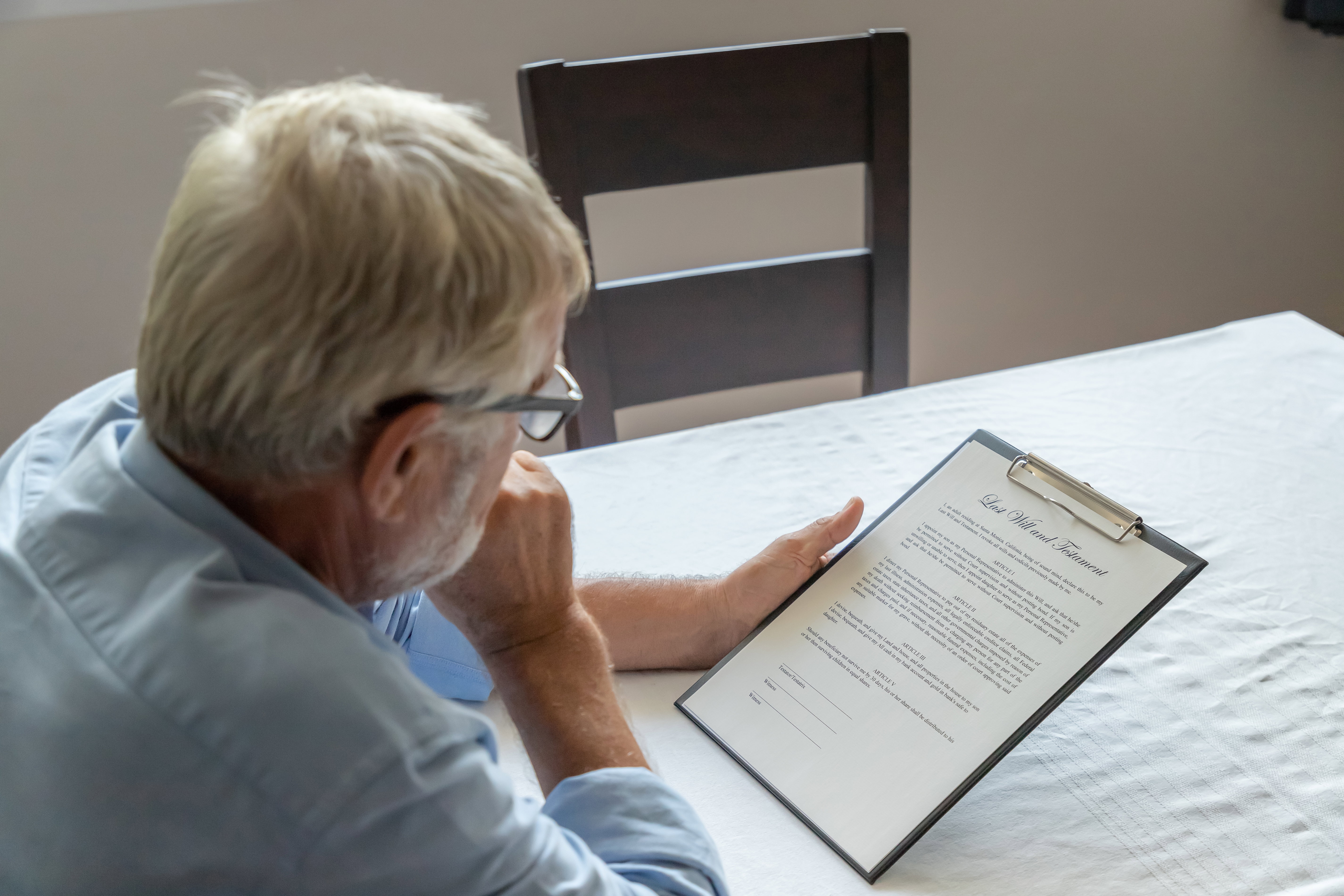
Probate is the legal process through which the Court recognises the authority of an executor named in a valid Will to administer the deceased person's estate. The executor may then deal with the deceased person's assets and liabilities in accordance with the Will and the applicable law. In practical terms, probate may be necessary before the executor can properly deal with assets such as property, bank accounts, shares and other assets forming part of the deceased's estate.
What if the Deceased Did Not Leave a Will?
If a person dies without leaving a Will, the estate generally cannot simply be divided among the family members according to what they believe the deceased would have wanted. The estate may instead need to be administered through the appropriate legal process, including an application for Letters of Administration, depending on the circumstances. The identity of the appropriate administrator and the eventual distribution of the estate may depend on the applicable law and the circumstances of the deceased and the beneficiaries.
*Probate vs Letters of Administration
One of the first questions a family should determine is whether the deceased left a valid Will. Broadly:
If there is a valid Will: the appropriate process may involve an application for a Grant of Probate by the executor named in the Will.
If there is no Will: the appropriate process may involve an application for Letters of Administration.
However, the actual procedure can vary depending on the circumstances of the estate. This is why it is useful to identify the deceased person's assets, liabilities, beneficiaries and testamentary documents before deciding what application or procedure is required.
What Happens to a House Owned by the Deceased?
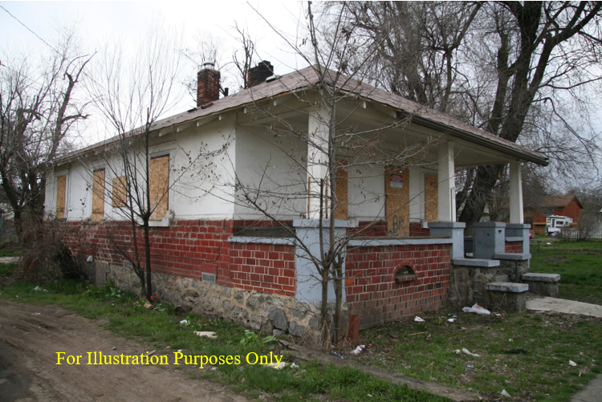
*Do you want to let it rot like this?
Property is often one of the most important and complicated assets in an estate. For example, the deceased may have left:
- a residential house;
- a condominium or apartment;
- agricultural land;
- commercial property;
- jointly owned property; or
- other registered interests in land.
The family should not assume that the property can simply be transferred into the name of one of the children or beneficiaries. The appropriate legal and land-related procedures may first need to be completed before the property can be dealt with or distributed (for example if the property is still under a subsisting loan).
The position may also differ where the property is jointly owned, subject to a charge or mortgage, occupied by another person, or the subject of an existing agreement or dispute.
What Happens to the Deceased's Bank Accounts or other Movable Properties?

Bank accounts, vehicles, high value personal items and/or jewelries belonging to the deceased may also form part of the estate. The family may know that the deceased had accounts with one or more banks, but this does not necessarily mean that a family member can simply withdraw and distribute the money.
The appropriate legal authority and documentation may be required before the estate's assets can be collected and distributed. The same consideration may apply to other assets such as shares, stocks, investments, statutory body deposits and certain financial interests.
What If There Are Several Beneficiaries?
Estate administration can become more complicated where there are several beneficiaries. For example:
- one beneficiary wants to sell a property while another wants to retain it;
- beneficiaries disagree over the distribution of the estate;
- one beneficiary refuses to cooperate;
- a beneficiary cannot be located;
- there is uncertainty over the validity or interpretation of a Will; or
- family members disagree over who should administer the estate.
In such circumstances, it is important to establish the legal position before any beneficiary takes unilateral action concerning estate assets.
What Documents Should the Family Look For?
After a death, it is useful to gather documents and information relating to the deceased, including where available:
- Death Certificate;
- original Will;
- identity documents;
- title documents or information concerning properties;
- bank account information;
- share and investment records;
- insurance documents;
- vehicle ownership documents;
- loan and other liability documents; and
- information concerning the deceased's immediate family and beneficiaries.

The precise documents required will depend on the nature of the estate and the legal process involved.
How Can a Lawyer Help With Estate Administration?
A lawyer can assist the family in identifying the appropriate legal process and dealing with the estate. Depending on the circumstances, this may include:
- advising on whether probate or Letters of Administration is appropriate;
- preparing and filing the necessary application;
- assisting the executor or administrator;
- identifying and dealing with estate assets;
- assisting with the transfer or distribution of property;
- dealing with relevant documentation;
- advising on the rights and responsibilities of beneficiaries; and
- advising where disagreements or disputes arise between beneficiaries.
Early legal advice can also help avoid unnecessary complications, particularly where the estate involves significant property, several beneficiaries or potential disputes.
Do You Need a Lawyer Immediately After a Death?
Not every estate is the same. Some estates may be relatively straightforward. Others may involve substantial property, multiple assets, several beneficiaries or disagreements within the family. If you are unsure what should happen to the deceased person's property, bank accounts or other assets, obtaining legal advice at an early stage can help the family understand the available options and the steps that need to be taken.
If you are an executor, administrator or beneficiary dealing with a deceased person's estate in Malaysia, our firm can advise on the appropriate legal process and assist with the administration and distribution of the estate. You may contact us to discuss your circumstances, including matters involving Probate, Letters of Administration, deceased persons' property, estate assets and beneficiary issues.
You can also refer to our information in other pages:
https://www.pmleelaw.com/information/lawyer-estate-administration