Estate Administration - Understanding Estate and Probate

The probate process is a legal procedure that comes into play after someone passes away, primarily involving the management and distribution of their estate. From settling debts to transferring assets, probate ensures that everything is handled according to the deceased person’s will or state laws. If you’re unfamiliar with it, the process can seem daunting. That’s where understanding each step and the tips to navigate it can be incredibly helpful. Here, we break down the probate process into 10 key points to make this intricate procedure simpler and more manageable.
1. Know What Probate Is
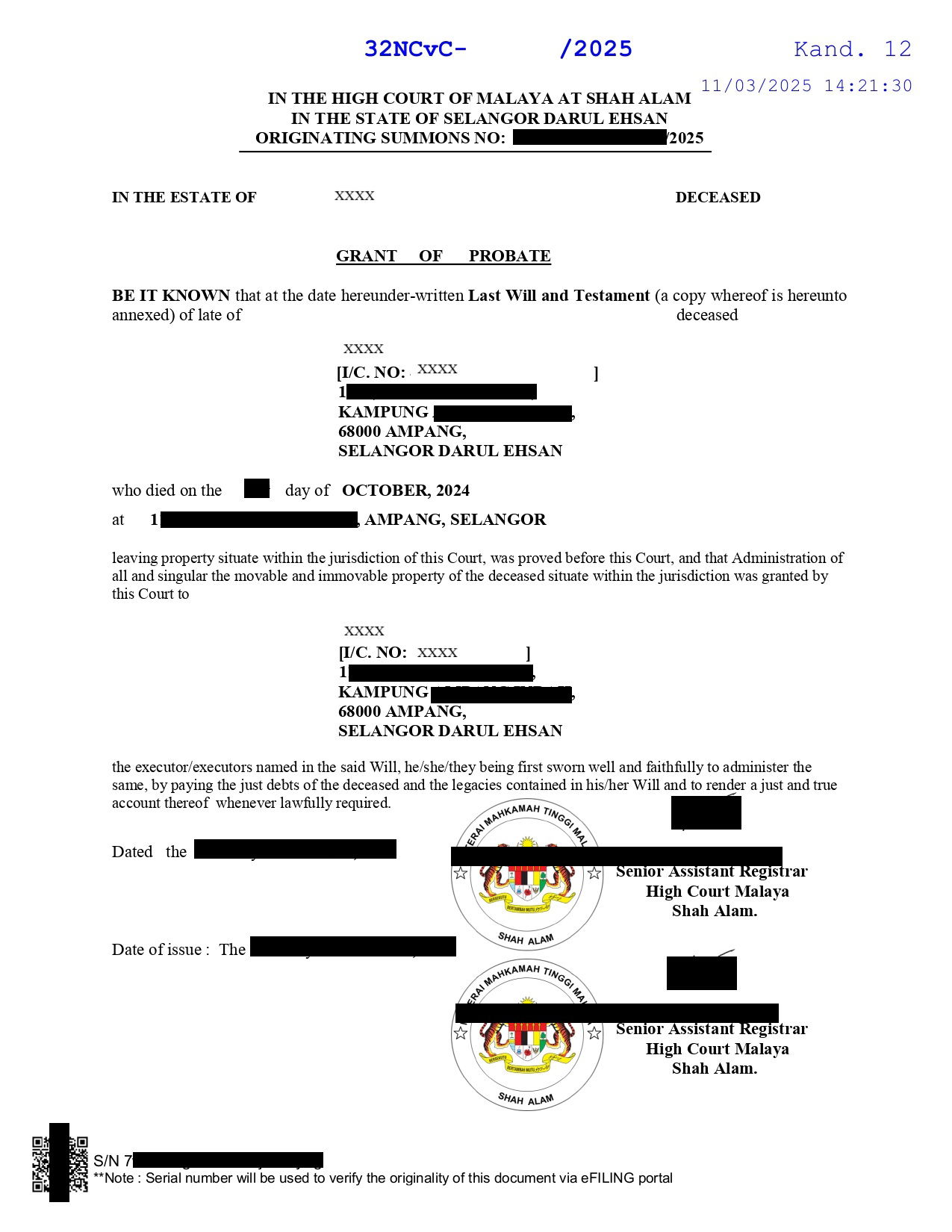
Probate is the process by which a deceased person’s estate is officially administered. It involves validating the deceased’s will (if there is one), appointing an executor or administrator, settling outstanding debts and taxes, and distributing the remaining assets to heirs or beneficiaries. Understanding that probate is a court-supervised process is the first step in gaining clarity over its purpose and functioning.
2. Understand When Probate Is Necessary
Not every estate requires probate. Small estates or those with assets held jointly or in trusts often bypass this legal process. For example, if the deceased held bank accounts with a designated “payable-on-death” beneficiary, or owned assets jointly with someone else with rights of survivorship, those assets transfer without needing probate. Understanding which assets pass outside of probate can save time and effort.
3. Learn the Steps to Initiate Probate
The probate process begins with filing a petition with the probate court in the deceased’s jurisdiction. The petitioner is usually the person named as the executor in the will, or a close family member if there’s no will. Once the court validates the petition, it officially appoints an executor or administrator to oversee the estate’s administration. Knowing how to properly initiate probate can prevent unnecessary delays.
4. Assess the Validity of a Will
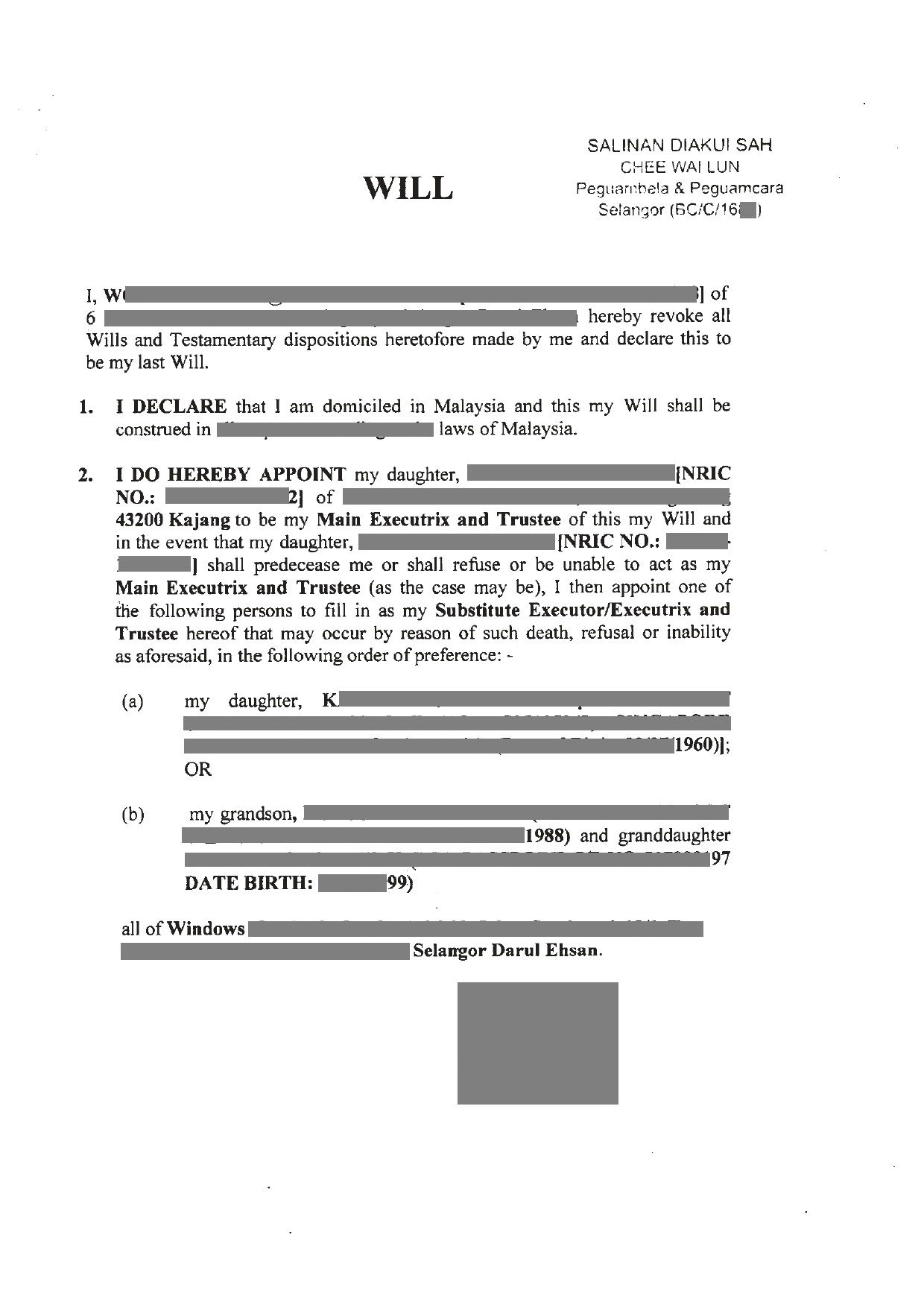
If the deceased left behind a will, one of the first steps in probate is ensuring the will’s validity. Most states require the will to be written, signed, and witnessed according to specific legal procedures. If there is any dispute over the authenticity of the will, the court will resolve the matter before proceeding. Clearly understanding the requirements for a valid will helps minimize challenges during this stage.
5. Understand the Role of the Executor or Administrator
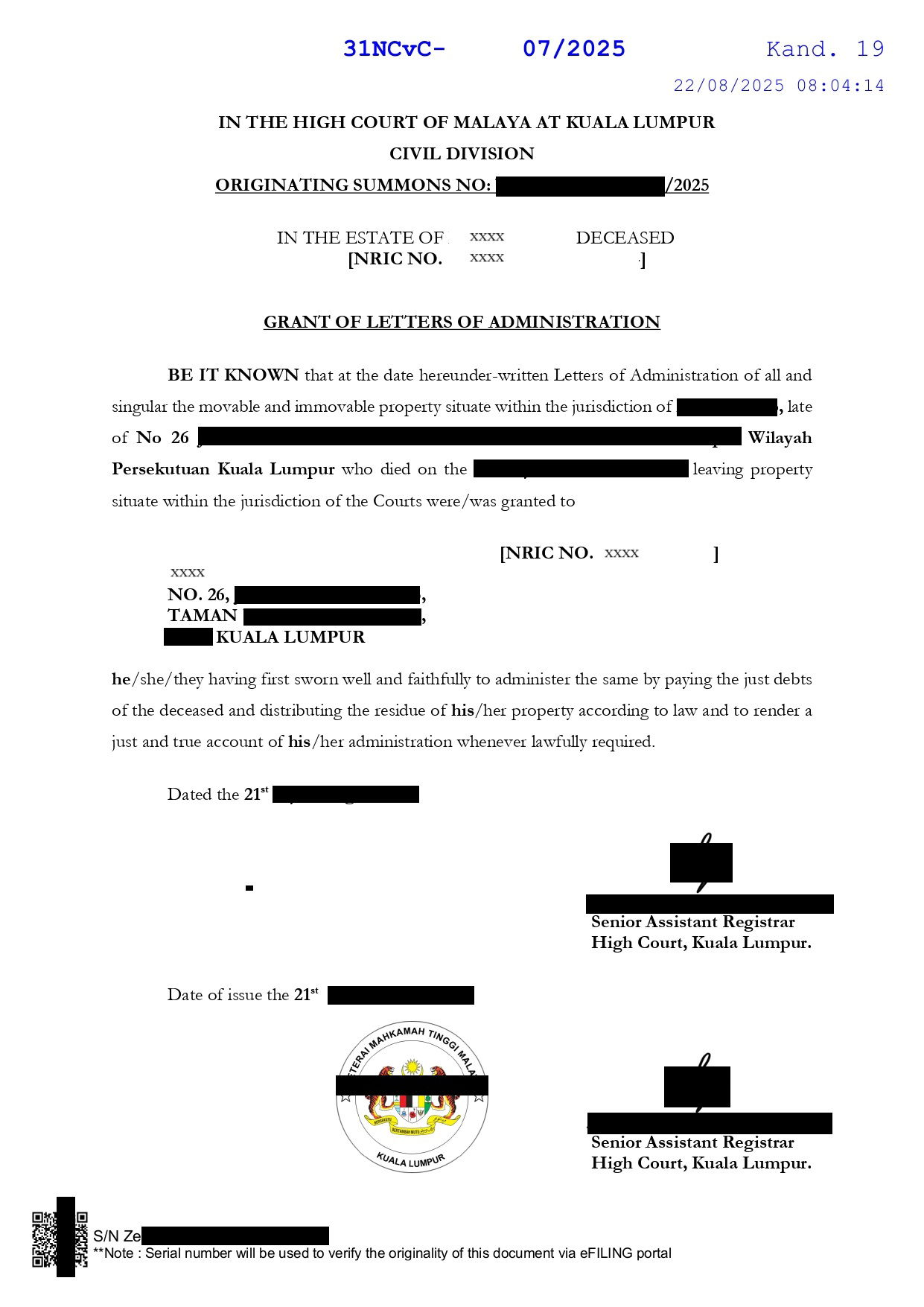
The executor or administrator is the person responsible for managing the deceased’s estate during probate. Their duties include collecting assets, paying debts and taxes, and distributing the estate to the rightful heirs or beneficiaries. If you are an executor, understanding your responsibilities is essential to avoid personal legal liability. In some cases, a professional fiduciary may be appointed to ensure proper handling of the estate.
6. Identify and Inventory the Assets
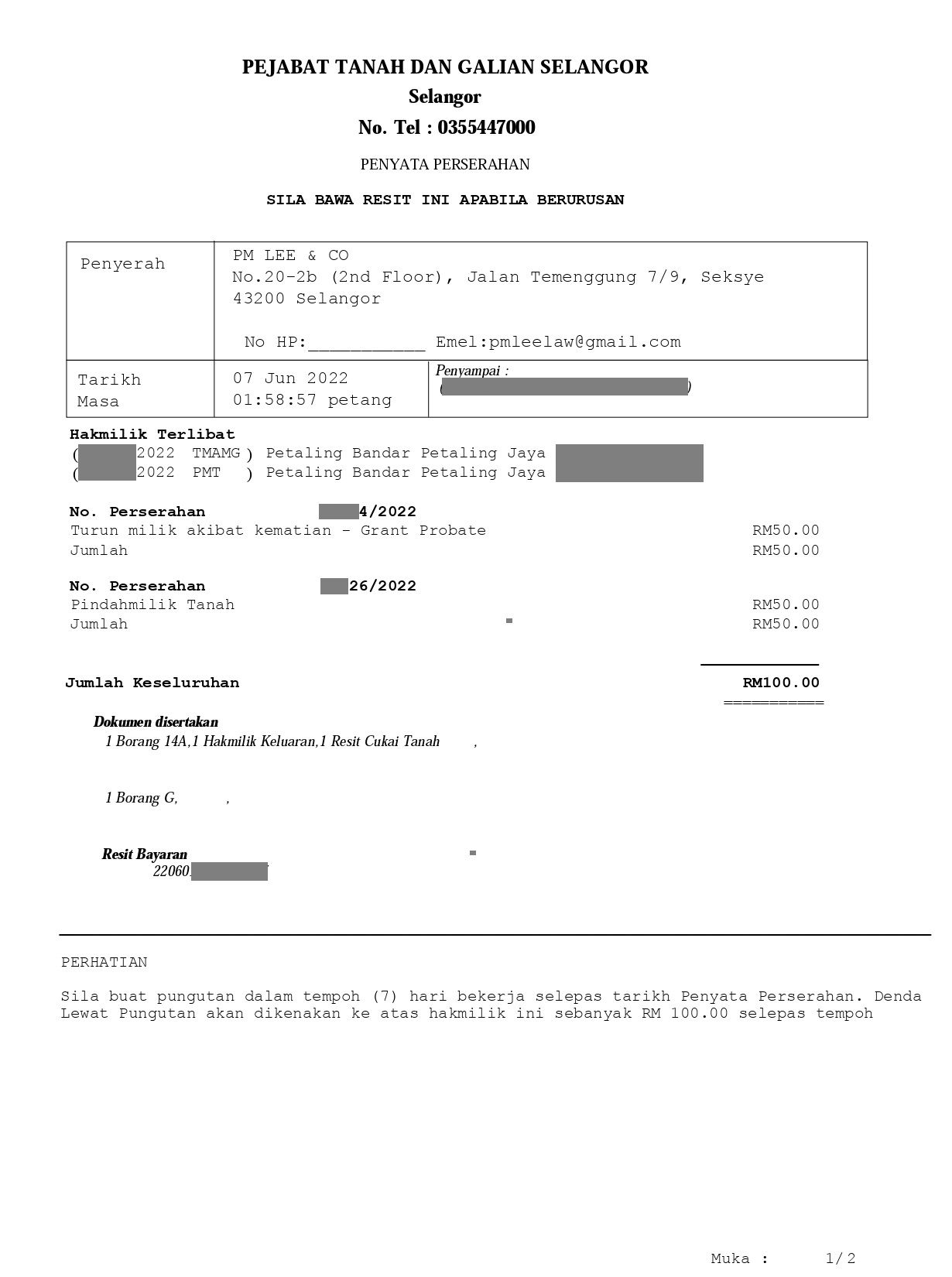
A critical step in probate is identifying and taking control of all the deceased’s assets. This includes real estate, personal belongings, financial accounts, investments, and other property. Once the assets are located, their value must typically be assessed, either via appraisal or other valuation methods. An accurate inventory streamlines the process of asset distribution later in probate.
Inaccurate inventory will attract unnecessary costs when amendments need to be applied from Court later on.
7. Resolve Outstanding Debts and Taxes
Before distributing assets to beneficiaries, the estate’s executor must address outstanding financial obligations. This involves paying off debts, settling creditor claims, and ensuring all applicable taxes are paid. Estate taxes, inheritance taxes, and final income taxes may all need to be accounted for, depending on the size and nature of the estate. Ensuring debts and taxes are paid mitigates disputes and challenges down the line.
8. Distribute the Assets to Beneficiaries
Once all liabilities are cleared, the court authorizes the executor to distribute the remaining assets to the beneficiaries according to the terms of the will or, in the absence of a will, state intestacy laws. This is often the most anticipated phase of probate for heirs. Clear communication with beneficiaries can help manage expectations during this phase and avoid misunderstandings.
9. Prepare for Potential Probate Challenges
Probate can sometimes lead to disputes, especially if there are questions about the will’s validity, the executor’s actions, or the distribution of assets. Contested probate cases can lengthen the time required to settle an estate and increase legal costs. Being prepared to address and resolve issues amicably can save time and reduce tension among family members. Seeking professional legal guidance can also be helpful in these cases.
10. Seek Professional Help When Needed
Probate is often complex, involving numerous legal requirements and deadlines. Engaging an experienced probate attorney can simplify the process and help avoid costly mistakes. Executors managing large, complex estates or facing disputes will benefit significantly from professional assistance. Financial advisors, tax specialists, and appraisers can also provide invaluable support.
Bonus Tip: Explore Alternatives to Probate
While understanding probate is essential, it’s equally important to explore strategies to avoid it altogether when planning an estate. Establishing revocable living trusts, assigning beneficiaries to all eligible accounts, and holding property jointly (especially fixed deposits) are some ways to bypass the probate process. Avoiding probate can save time, money, and stress for those left behind. Discussing these options with an estate planning expert ensures that your efforts align with your long-term goals.
Why Probate Matters
The probate process serves a critical role in ensuring that a deceased person’s estate is administered legally and fairly. While its complexity can seem intimidating, understanding the steps involved, the key roles, and the importance of professional help can make the process more approachable. Regardless of whether you’re planning your own estate or helping administer a loved one’s, gaining knowledge of probate is a proactive way to ensure a smooth transition of assets.
Managing, planning, and navigating probate can be stressful, but by breaking it into manageable steps and tips as outlined above, the process becomes more transparent. Remember that each estate is unique, and not every tip will apply universally. When in doubt, lean on professional resources—probate lawyers, financial planners, or trusted advisors—to ensure that you remain on track and compliant with legal requirements.