Conveyancing - The Ultimate Guide for First-Time Home Buyers in Malaysia: What You Should Know Before Signing the SPA

Purchasing your first home is an exciting milestone. It is also one of the most significant financial commitments that most people will ever make. For many first-time purchasers, the property buying process can seem confusing. Terms such as earnest deposit, Sale and Purchase Agreement (SPA), Memorandum of Transfer (MOT), loan documentation, stamp duty, EPF withdrawal, and completion period are frequently mentioned, yet many buyers do not fully understand how they fit together.
Unfortunately, many purchasers only begin asking questions after paying a booking fee or signing important documents. By then, certain obligations may already have arisen. Many choices and options can longer be undertaken. At Messrs Lee, William Chee & Associates, we regularly assist first-time home buyers throughout Malaysia. This guide explains the key stages of a typical sub-sale property transaction and highlights some of the important issues every purchaser should understand before committing.

Step 1: Understand Your Budget Before Looking at Properties
Before viewing properties or negotiating with sellers, it is important to determine your actual budget. Many purchasers focus solely on the property's purchase price without taking into account the additional costs involved in a property transaction.
Besides the purchase price itself, you may need to prepare funds for:
- Deposits (Earnest Deposit / Balance Deposit);
- SPA legal fees;
- Loan legal fees;
- Stamp duty;
- Valuation fees;
- Loan-related costs;
- Insurance requirements;
- Moving expenses; and
- Renovation costs.

A realistic budget helps prevent unnecessary financial stress later in the transaction. It is also advisable to obtain an indication of your financing eligibility from one or more banks before actively searching for a property.
Step 2: What Is an Earnest Deposit?
After identifying a suitable property and agreeing on a purchase price, the purchaser is commonly required to pay an earnest deposit. The earnest deposit demonstrates the purchaser's intention to proceed with the transaction and is usually paid before the Sale and Purchase Agreement (SPA) is prepared.
The amount varies from transaction to transaction. Before making any payment, purchasers should understand:
- Who is holding the deposit?
- Is the deposit refundable?
- Under what circumstances can it be forfeited?
- What happens if the housing loan is not approved?
- What happens if the seller decides not to proceed?
These questions should be clarified before any money changes hands. Many disputes arise because parties assume they understand the terms without reviewing the relevant documents carefully. How if suddenly there's a change of mind?
Step 3: Housing Loan Application
Once the property has been secured, the next important step is applying for housing financing. Most purchasers rely on bank financing to complete their purchase. The approval process generally requires the submission of documents such as:
- Identification documents;
- Salary slips;
- Income tax records;
- EPF statements;
- Bank statements;
- Employment confirmation letters; and
- Other supporting documents requested by the bank.
Obtaining financing approval early often helps minimise delays later in the conveyancing process. Once the loan is approved, parties usually proceed to the next stage in appointing a lawyer to draft the SPA.
Step 4: Understanding the 10% Deposit
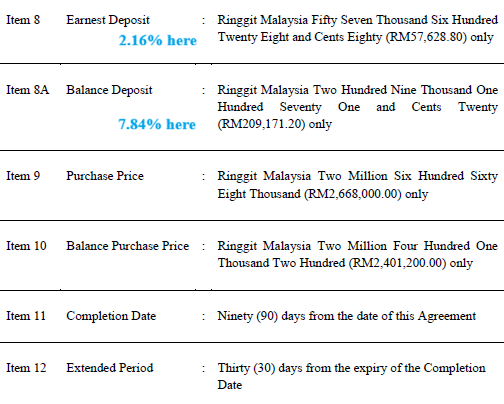
Many first-time buyers are surprised to learn that the total deposit payable is commonly 10% of the purchase price. Where an earnest deposit has already been paid, that amount is usually treated as part of the overall 10% deposit. For example:
- Purchase Price: RM500,000
- Earnest Deposit: RM15,000 (3%)
- Balance Deposit upon SPA: RM35,000 (7%)
The exact payment structure depends on the agreement between the parties and should always be verified before signing.
Step 5: What Is the Sale and Purchase Agreement (SPA)?
The Sale and Purchase Agreement is one of the most important documents in the entire transaction. The SPA governs the contractual relationship between the buyer and seller and sets out:
- The purchase price;
- Deposit arrangements;
- Completion timeline;
- Obligations of both parties;
- Delivery of vacant possession;
- Late payment consequences;
- Events of default; and
- Remedies available if either party breaches the contract.
Many buyers assume the SPA is merely a formality. In reality, the SPA determines many of your legal rights and obligations. Understanding the key terms before signing is therefore essential.
Step 6: Understanding the 3 + 1 Completion Period
Many subsale SPAs contain what lawyers commonly refer to as a "3 + 1" completion period. This generally means:
- Three months for the purchaser to complete the transaction; and
- One additional month as an extension period if completion is delayed.
If completion occurs during the extension period, late payment interest may become payable. Understanding the completion timeline is important because delays can have financial consequences.
https://www.pmleelaw.com/information/spa-deadline
Step 7: What Is the Difference Between the SPA and the MOT?
This is one of the most frequently asked questions by first-time home buyers. The Sale and Purchase Agreement (SPA) is the contract. The Memorandum of Transfer (MOT) is the document that legally transfers ownership of the property.
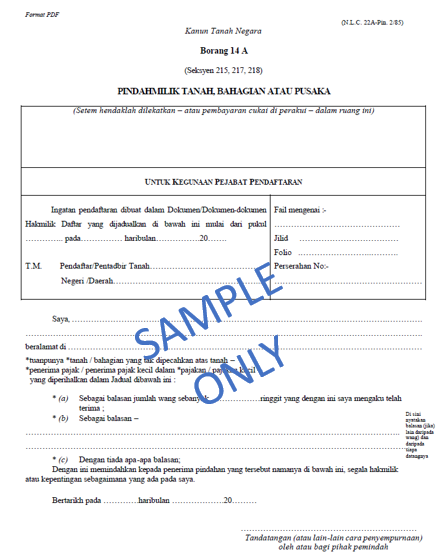
In simple terms: The SPA creates the obligation to buy and sell (the promises between parties). The MOT completes the transfer of ownership. Both documents are important but they serve entirely different legal purposes.
Step 8: Freehold or Leasehold?
Before committing to a purchase, buyers should understand whether the property is freehold or leasehold. Leasehold properties often involve additional considerations, including:
- Consent to Transfer;
- Consent to Charge;
- Lease renewal issues; and
- Additional processing timelines.
A leasehold property is not necessarily a poor investment, but purchasers should understand the legal implications before proceeding.
https://www.pmleelaw.com/information/freehold-vs-leasehold
Step 9: When Can EPF Be Withdrawn?
Many first-time purchasers intend to use their EPF savings to assist with their property purchase. EPF withdrawals are generally subject to specific requirements and procedures. The timing of the withdrawal depends on the nature of the transaction and compliance with EPF's prevailing requirements.
Purchasers should not assume that EPF funds will be immediately available and should always verify the latest requirements with the EPF board before relying on those funds. Plan your application and tell your lawyer to cater for the arrangement in the SPA.

In a normal circumstances, a purchaser can apply for such withdrawal at the nearest EPF branch after the SPA is stamped. The application process usually takes a few days before the applied sums is disbursed to the purchaser's designated account.
Step 10: What Legal Fees Should You Expect?
Property transactions generally involve several categories of legal costs.
SPA Legal Fees
These relate to the legal work required to complete the purchase transaction.
Loan Legal Fees
If financing is obtained, separate legal documentation is usually required by the bank.
Stamp Duty
Stamp duty is generally payable on the Memorandum of Transfer and may vary depending on the property's value and any available exemptions.
Disbursements
Additional expenses may include:
- Land searches;
- Registration fees;
- Adjudication fees;
- Land Office fees; and
- Administrative charges.
Legal fees are payable to your lawyer for the services rendered, Stamp Duty is payable to LHDN and Disbursements are out-of-pocket expenses, payable to runners and/or government agencies.
Common Mistakes Made by First-Time Home Buyers

Some of the most common mistakes include:
- Paying deposits without understanding the terms;
- Signing documents without reading them carefully;
- Assuming loan approval is guaranteed;
- Underestimating transaction costs;
- Ignoring title restrictions;
- Failing to understand SPA obligations; and
- Seeking legal advice only after problems arise.
Most of these issues can be avoided through proper planning and early legal guidance.
First-Time Home Buyer Consultation
Many purchasers have questions that cannot be fully answered through general articles because every property transaction is different. For purchasers who would like personalised guidance before committing to a property purchase, Messrs Lee, William Chee & Associates offers a First-Time Home Buyer Consultation with our Conveyancing Partner.
During the consultation, we can assist you in understanding: The overall property purchase process; Expected legal fees and stamp duties; Deposit requirements; Freehold and leasehold issues; Consent requirements; SPA and loan documentation; EPF withdrawal considerations; and Potential legal risks relating to the proposed transaction.
For a fixed consultation fee of RM500.00, purchasers can obtain practical legal guidance before making one of the most important financial decisions of their lives. Speak to us before you sign the booking form.
https://www.pmleelaw.com/contact-us
Buying a property should be an exciting experience, not a stressful one. Understanding the legal process before signing documents or paying deposits can help you avoid unnecessary mistakes, manage your expectations, and proceed with greater confidence.