Real Estate - SPA Completion Period and Understanding the "3 + 1" Timeline

One of the most common questions asked by both property buyers and sellers is: "How long will my property transaction take?". If you are purchasing or selling a sub-sale property in Malaysia, you may have heard lawyers or property agents refer to the "3 + 1" completion period.
While this is a commonly used term in conveyancing practice, many buyers and sellers are unsure what it actually means and why it is so important. Understanding the completion timeline under a Sale and Purchase Agreement (SPA) allows both parties to plan ahead, avoid unnecessary delays, and minimise the risk of late payment interest.
At Messrs Lee, William Chee & Associates, we guide purchasers and vendors through every stage of the conveyancing process, ensuring that they understand the legal timeline and remain updated on the progress of their transaction.
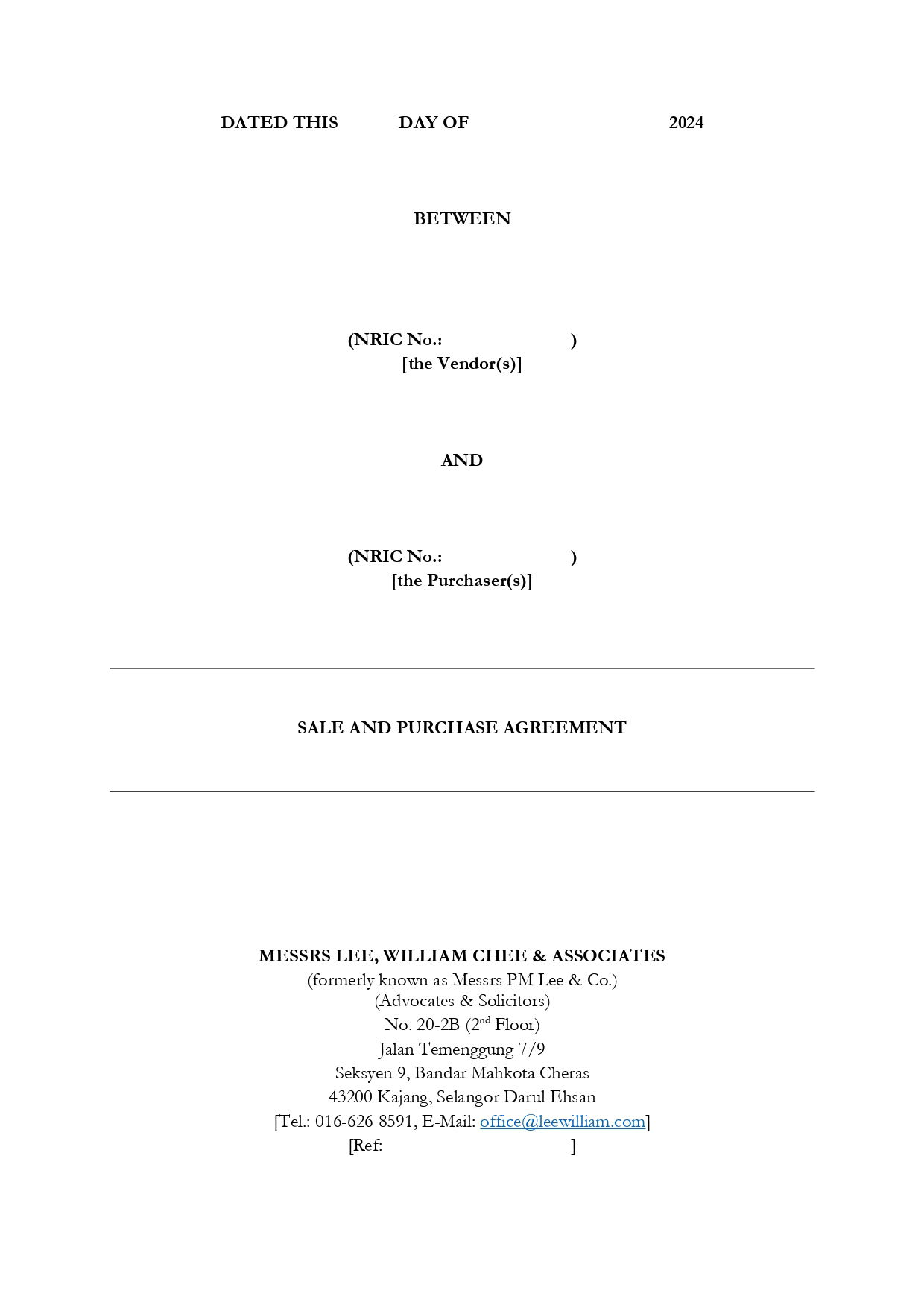
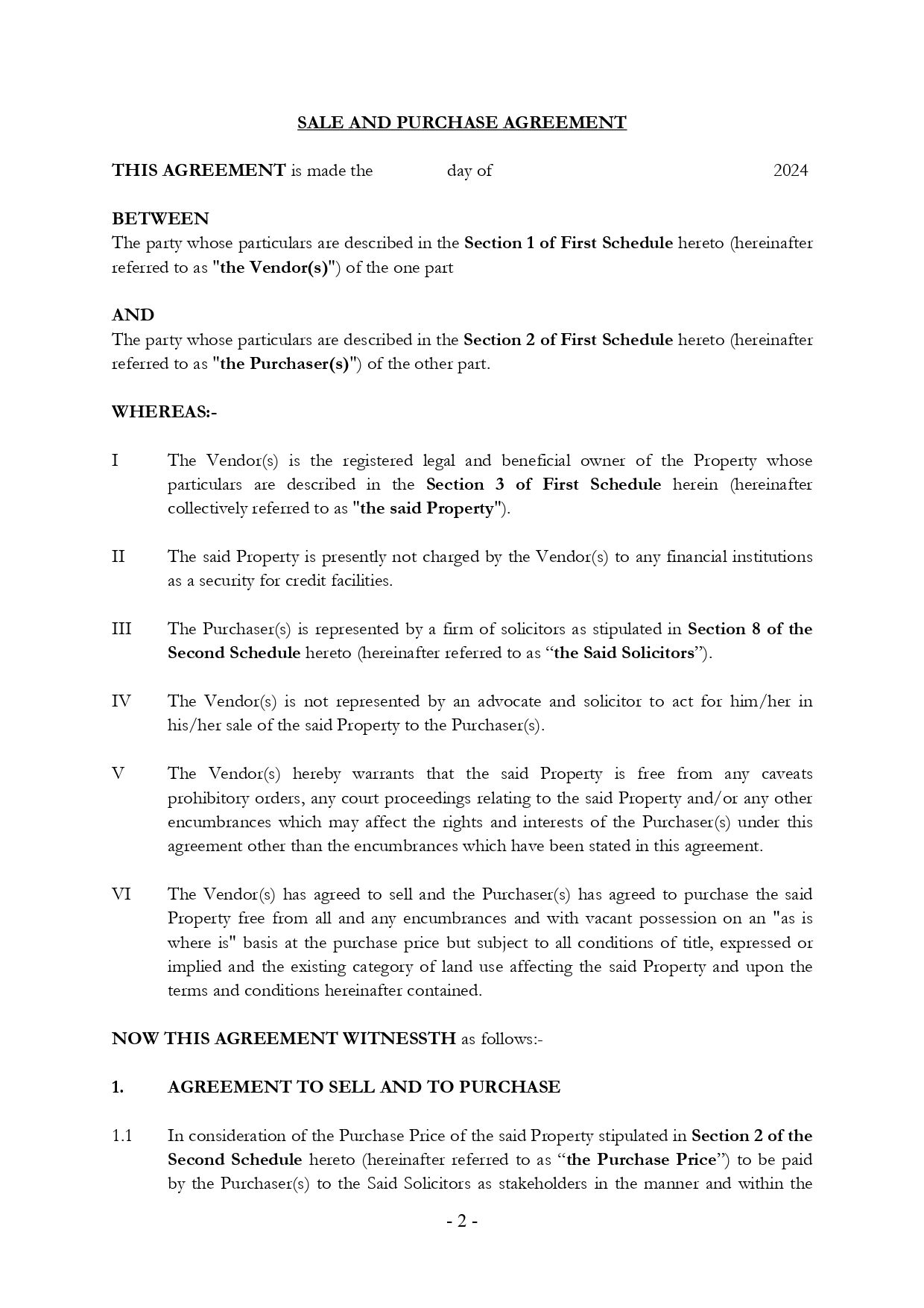
What Does "3 + 1" Mean?
The "3 + 1" completion period refers to the contractual timeframe commonly found in many subsale Sale and Purchase Agreements (SPA) involving freehold properties. Generally, the purchaser is given:
- Three (3) months to complete the purchase by paying the balance purchase price; and
- One (1) additional month as an extension period if completion cannot take place within the initial three months.
During this period, numerous legal and administrative steps must be completed before ownership can be transferred to the purchaser. Although many Sale and Purchase Agreements (SPA) adopt this arrangement, the exact wording of every contract should always be reviewed carefully because different transactions may contain different completion provisions.
What Happens During the Three-Month Completion Period?
Many purchasers assume that once the Sale and Purchase Agreement (SPA) has been signed, the transaction simply waits until the completion date but in reality, a considerable amount of legal work takes place behind the scenes.
Depending on the circumstances, the completion period may involve:
- redemption of the vendor's existing housing loan (if applicable);
- obtaining redemption statements from the vendor's bank;
- preparation and execution of transfer documents;
- loan documentation for the purchaser's financing;
- fulfilment of conditions imposed by the financing bank;
- adjudication and payment of stamp duty;
- registration of the transfer and charge where applicable; and
- coordination among the purchaser, vendor, banks, developers, and relevant government authorities.
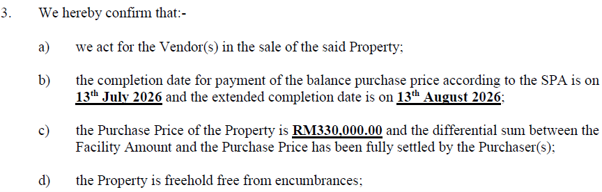
*Example of what is completion date and also the extended completion date.
Each of these steps requires careful coordination to ensure the transaction proceeds smoothly.
What If the Property Has an Existing Loan?
Many sub-sale properties are still subject to an existing bank charge. In such cases, the vendor's outstanding loan must usually be redeemed before the property can be transferred to the purchaser.
This involves obtaining a redemption statement from the vendor's bank, arranging settlement of the outstanding amount, and coordinating the release of the title or security documents.
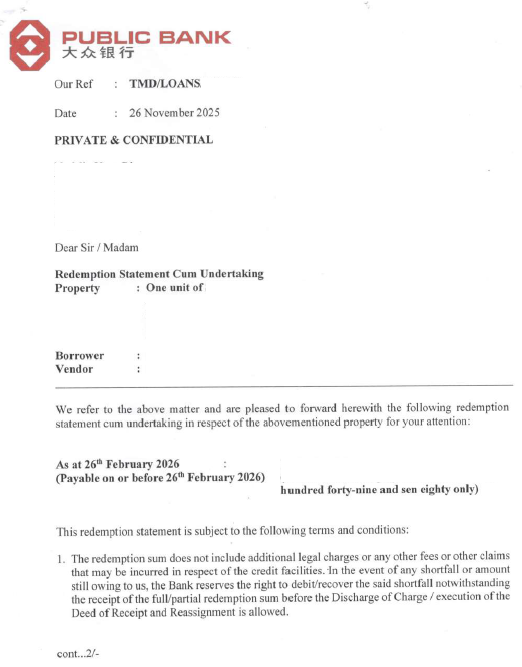
These processes require close communication between both parties' solicitors and the respective financial institutions.
What Happens If Completion Is Delayed?
Sometimes, despite everyone's best efforts, a transaction cannot be completed within the initial three-month period. For this reason, many Sale and Purchase Agreements (SPA) provides for an additional one-month extension.
However, this extension is not always free. Most Sale and Purchase Agreements (SPA) require the purchaser to pay late payment interest on the outstanding balance purchase price during the extension period.

The applicable interest rate depends on the terms of the particular SPA and commonly ranges from 8% to 10% per annum and because the financial consequences can be significant, purchasers should monitor the progress of their transaction closely and ensure that financing arrangements and documentation are completed as early as possible.
What About Leasehold Properties?
The timeline may be different for leasehold properties. Many leasehold transactions require Consent to Transfer from the relevant Land Office or State Authority before completion can take place or starts to count.
Where consent is required, the contractual completion period often begins only after the consent has been obtained. As a result, leasehold transactions frequently take longer than transactions involving freehold properties that do not require such approval.
Understanding these differences helps purchasers set realistic expectations regarding the overall completion timeline.
Why Communication Matters During Conveyancing
One of the biggest concerns expressed by property buyers and sellers is not knowing what is happening after the Sale and Purchase Agreement (SPA) has been signed. Clients often ask:
- Has the redemption statement been issued?
- Has my bank released the loan?
- Has stamp duty been paid?
- Are the transfer documents ready?
- Why is the transaction taking longer than expected?
A conveyancing transaction involves multiple parties, including the purchaser, vendor, both solicitors, financing banks, developers, valuers, and government authorities.
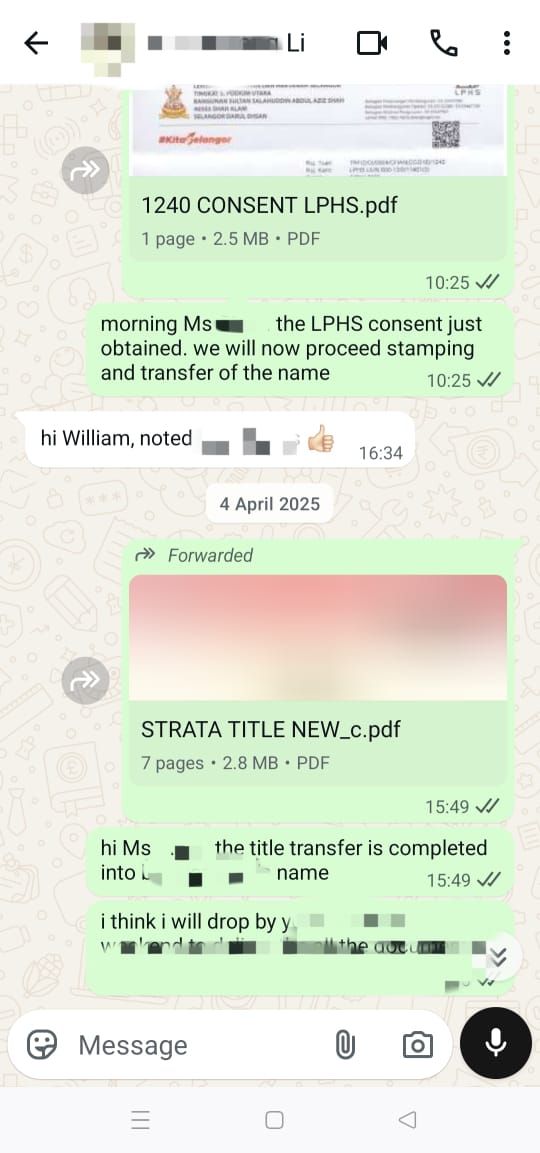
Delays can arise at any stage, making regular communication essential. Keeping clients informed throughout the process provides reassurance and enables issues to be addressed promptly before they affect the completion timeline.
Why Choosing the Right Conveyancing Lawyer Matters
While some delays are outside any lawyer's control, an experienced conveyancing lawyer plays an important role in ensuring that the transaction progresses as efficiently as possible. Your solicitors should:
- monitor all contractual deadlines;
- follow up proactively with banks and relevant authorities;
- prepare legal documents promptly;
- advise you on your obligations under the SPA;
- identify potential issues before they become serious delays; and
- keep you informed throughout the conveyancing process.
Effective file management and timely communication can often make a significant difference to the overall experience of buying or selling a property.
At LWC & Associates, you can put your trust and reliance on us to complete the deal. Whether you are buying your first home, selling an investment property, or dealing with a high-value real estate transaction, we are committed to guiding you through the conveyancing process with clear advice, practical solutions, and regular updates at every stage.