Real Estate - Freehold vs. Leasehold Property
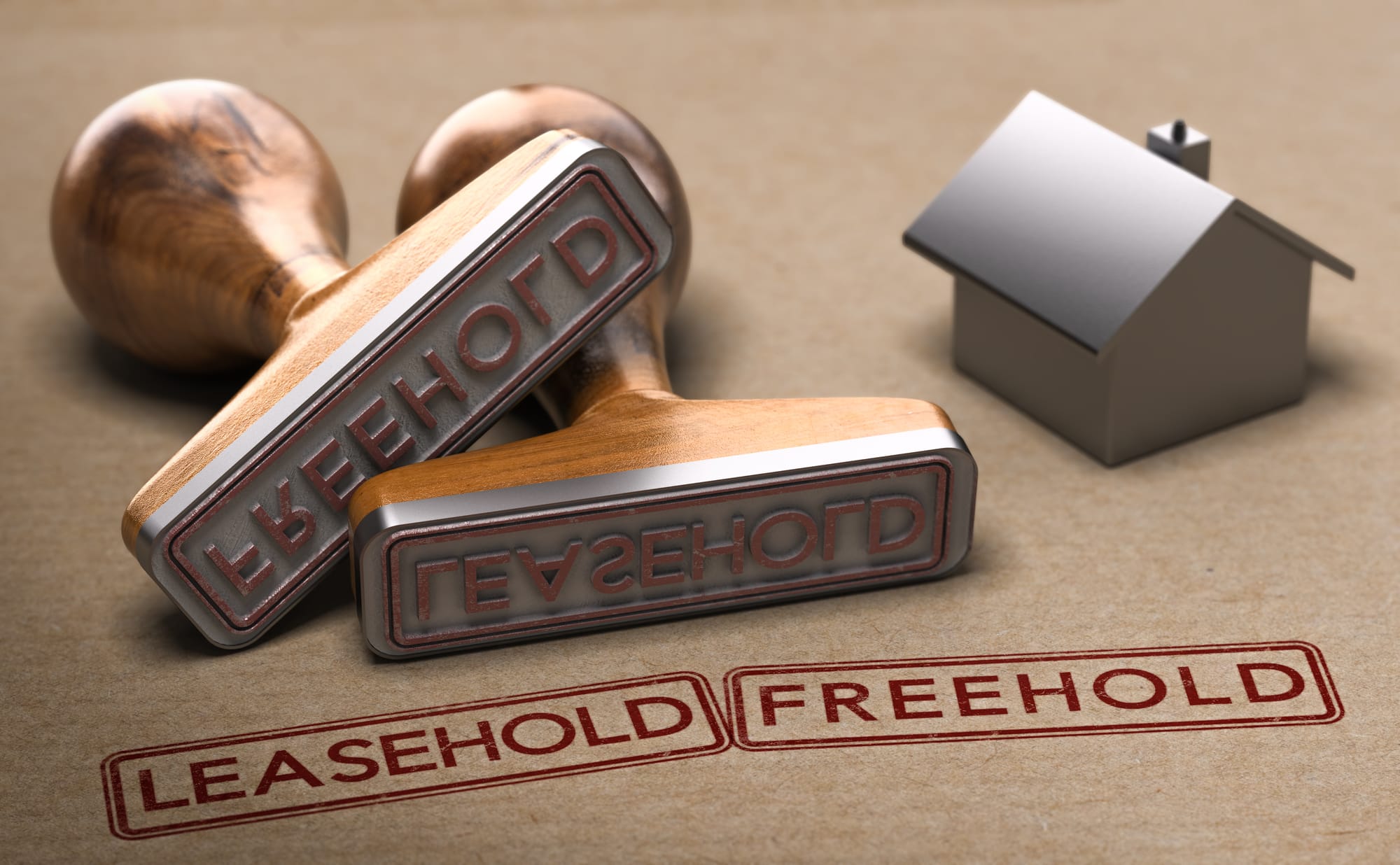
Buying a property is one of the largest financial commitments most people will ever make. Before signing a Sale and Purchase Agreement, one of the first questions every purchaser should understand is whether the property is freehold or leasehold.
Many buyers assume that freehold property is always "better" than leasehold property. In reality, both types of ownership have their own advantages and legal implications. Understanding the differences can help you make a more informed decision and avoid unexpected delays during your property transaction.
At Messrs Lee, William Chee & Associates, we regularly advise purchasers, vendors, and property investors on freehold and leasehold transactions throughout Malaysia. While both types of properties can be bought and sold, the legal procedures are often different.
What Is a Freehold Property?
A freehold property generally gives the registered owner ownership of the property without a fixed expiry date, subject to the relevant land laws and any restrictions in the title.
As there is no lease period that eventually expires, freehold properties are often perceived as having stronger long-term value. Many buyers also appreciate the greater flexibility associated with freehold ownership.
However, "freehold" does not necessarily mean that every transaction is straightforward. Certain freehold properties may still be subject to restrictions in interest or other conditions that require approvals before ownership can be transferred.
What Is a Leasehold Property?
Unlike freehold property, leasehold property is held for a fixed period granted by the State Authority.
Common lease periods include:
- 99 years;
- 60 years; or
- 30 years.
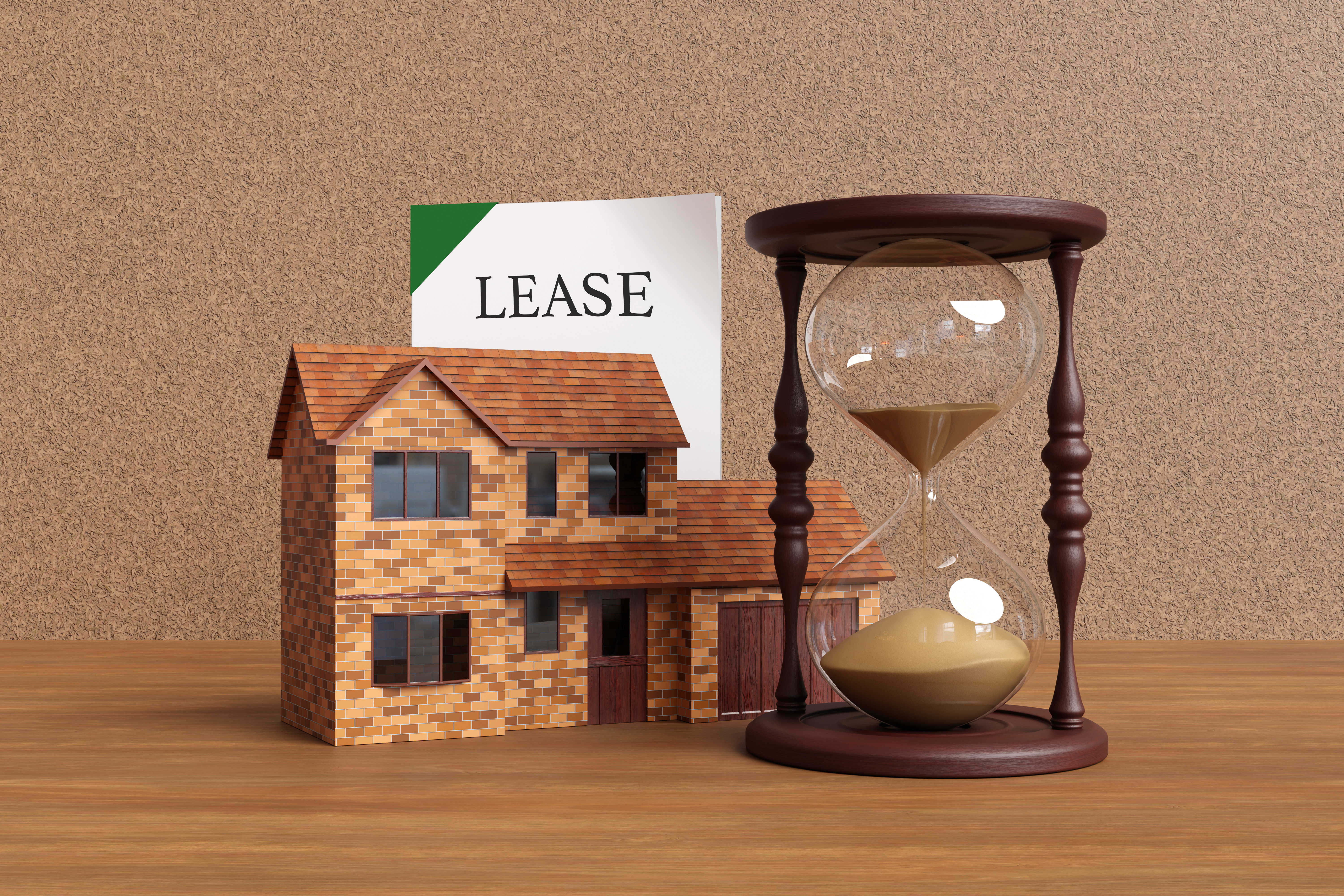
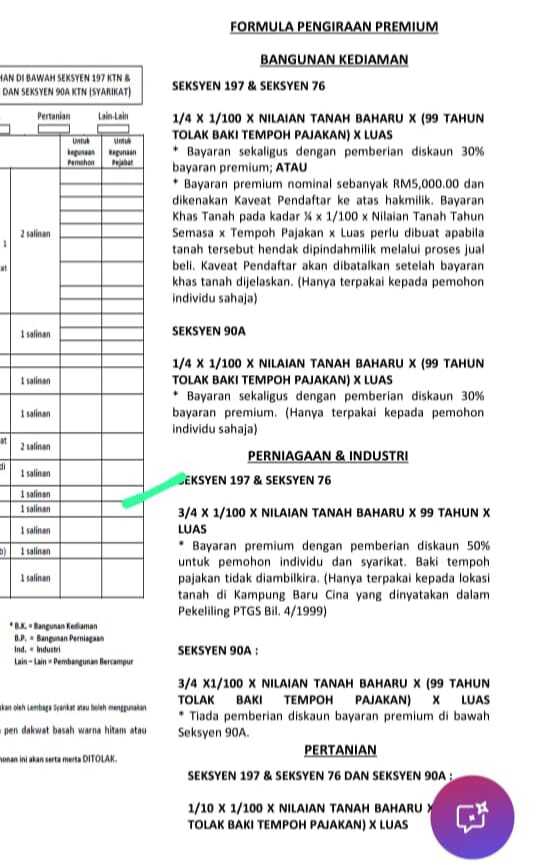
When the lease expires, the owner may need to apply for an extension or renewal of the lease, which is generally subject to the relevant laws, government policies, and the payment of a renewal premium.
This is one of the key differences between freehold and leasehold ownership that purchasers should understand before committing to a purchase.
Consent to Transfer – A Key Difference
One of the most significant legal differences between freehold and leasehold transactions is the requirement to obtain Consent to Transfer.
Many leasehold properties cannot be transferred from the seller to the purchaser unless the relevant Land Office or State Authority grants its consent.
This additional legal requirement means that the conveyancing process may take longer than a transaction involving a property that does not require such consent.
Typically, the Sale and Purchase Agreement provides that the contractual completion period only begins after the Consent to Transfer has been obtained.
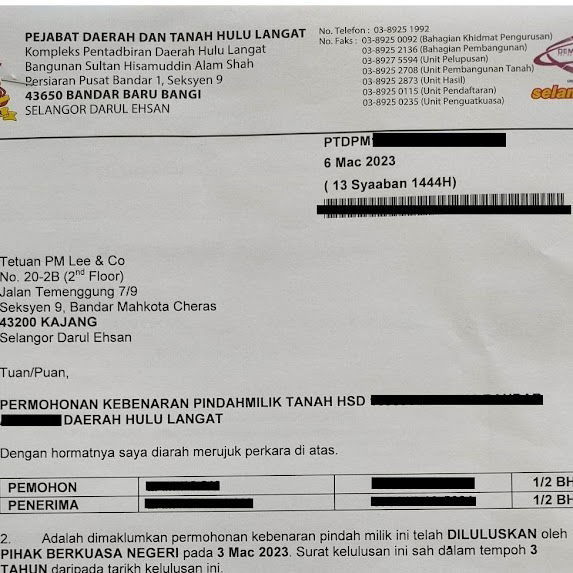
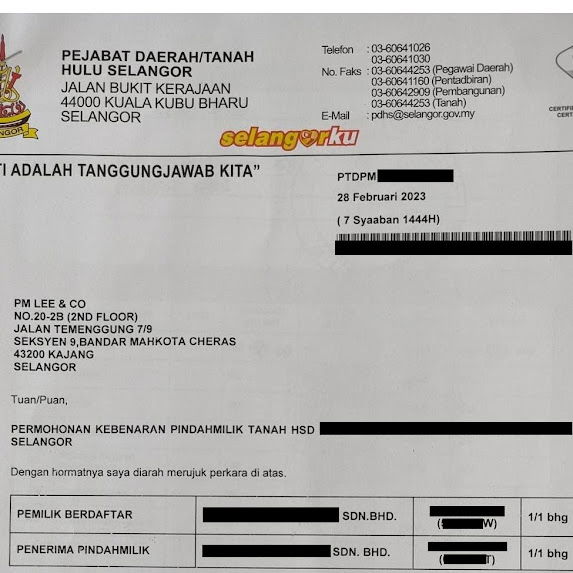
Accordingly, purchasers should understand that the overall timeline for completing a leasehold transaction is often influenced by how long the authority takes to process the consent application.
Consent to Charge for Bank Financing
Where the purchaser is obtaining a housing loan, another approval may also be required. Some leasehold properties require Consent to Charge before the property can be charged to the financing bank as security for the loan.

This consent is separate from the Consent to Transfer and may also affect the overall timeline of the transaction. An experienced conveyancing lawyer will advise whether these approvals are required and coordinate the necessary applications to minimise unnecessary delays.
Does Leasehold Mean a Bad Investment?
Not necessarily.
Many highly sought-after residential, commercial, and industrial developments in Malaysia are built on leasehold land. Factors such as location, accessibility, rental demand, infrastructure, and future growth potential often have a greater influence on a property's value than whether it is freehold or leasehold.
A well-located leasehold property may outperform a poorly located freehold property in terms of both capital appreciation and rental yield. Rather than focusing solely on tenure, purchasers should evaluate the property as a whole and understand the legal implications before making their decision.
Can a Leasehold Property Be Renewed?
Yes? No?

In many cases, yes.
Owners of leasehold properties may apply for an extension or renewal of the lease before the remaining tenure expires (must apply before the remaining years touch the 10 years's mark).
The approval of such applications depends on the applicable laws, state policies, and the discretion of the relevant authorities. A renewal premium is generally payable, and the amount varies depending on factors such as the property's location, land value, and the remaining lease period.
If you are purchasing a property with a shorter remaining lease, it is advisable to seek legal advice so that you understand the potential implications and available options.
Whether you are buying a freehold or leasehold property, every transaction involves important legal considerations. Your conveyancing lawyer plays a crucial role in:
- reviewing the title documents (geran);
- identifying restrictions in interest;
- advising whether Consent to Transfer or Consent to Charge is required;
- preparing and reviewing the Sale and Purchase Agreement;
- coordinating with banks, developers, and government authorities;
- monitoring contractual timelines; and
- ensuring the transaction proceeds as smoothly as possible.
Speak to an Experienced Conveyancing Lawyer
At Messrs LWC & Assocaites, we regularly advise purchasers, vendors, investors, and property owners on both freehold and leasehold property transactions throughout Malaysia.
Whether you are purchasing your first home, acquiring an investment property, or selling an existing property, we will guide you through every stage of the conveyancing process, explain the legal requirements clearly, and help ensure that your transaction is completed efficiently.
If you have questions about freehold or leasehold properties, Consent to Transfer, Consent to Charge, or any aspect of a property transaction, contact us today. We are committed to making the conveyancing process straightforward, transparent, and as stress-free as possible.