Litigation - Defend a Civil Claim: Understanding the Court Process

Being served with court papers can be an intimidating experience. Whether the claim involves a breach of contract, property dispute, debt recovery, shareholder disagreement, negligence, or another civil matter, many defendants are uncertain about what they should do next. Some assume that because legal proceedings have already commenced, they have little chance of defending the claim. Others delay taking action, believing there is still plenty of time to respond.

In reality, neither assumption is correct.
Defending a civil claim in Malaysia requires more than simply denying the allegations. It involves understanding the applicable law, complying with strict court procedures, preparing persuasive evidence, and developing a litigation strategy that protects your legal and commercial interests. Early legal advice and proper preparation can often make a significant difference to the outcome of a case.
At Messrs Lee, William Chee & Associates, we represent individuals, business owners, and companies in a wide range of civil litigation matters, providing practical legal advice and strategic representation throughout the litigation process.
The Importance of Court Procedure
Civil litigation is governed by the Rules of Court 2012 (ROC 2012) and other procedural requirements. Even where a party has a strong legal defence, failure to comply with procedural rules or court timelines may seriously affect the outcome of the case.
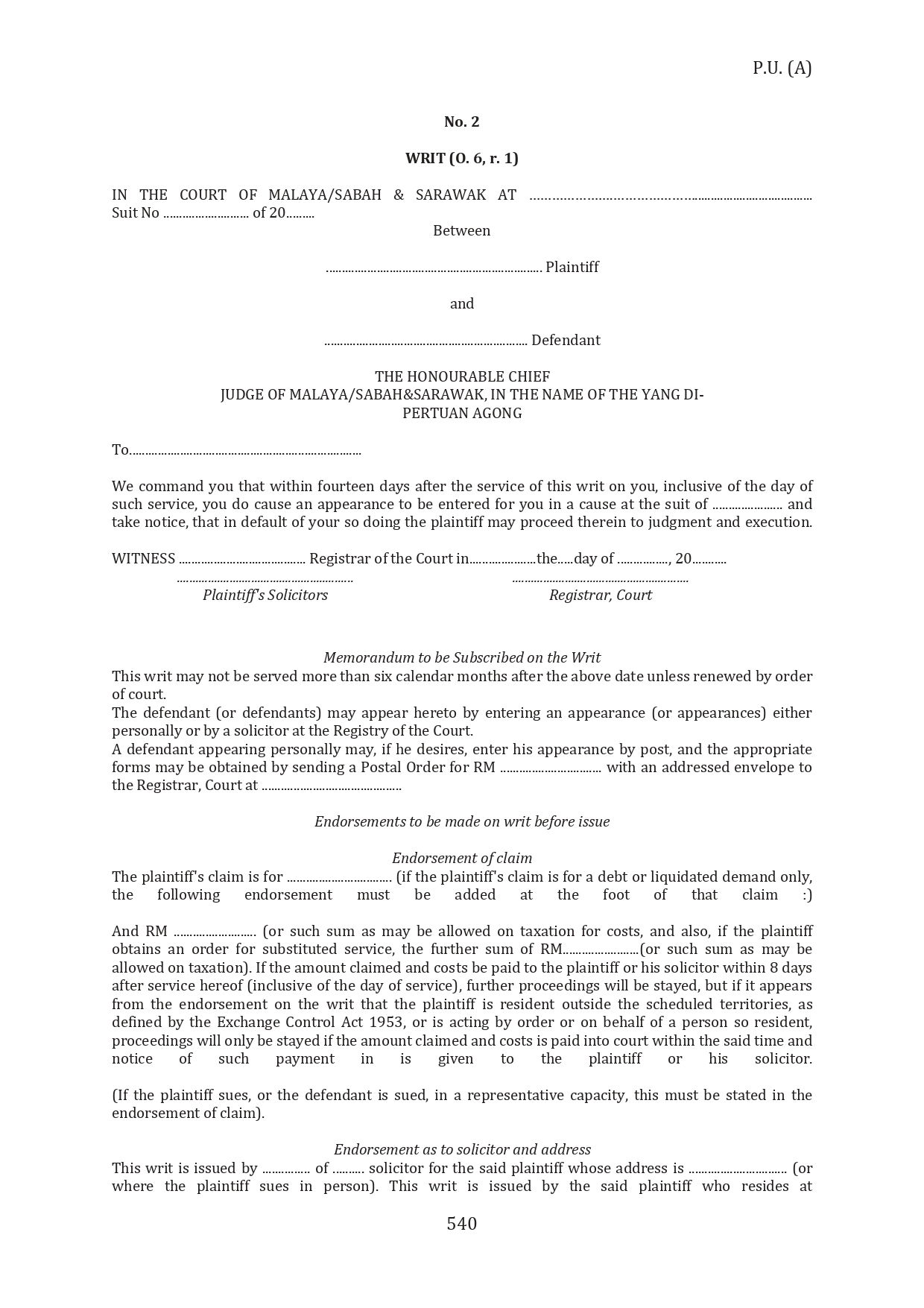
Effective litigation therefore requires not only a sound understanding of the substantive law but also a thorough appreciation of court procedures, evidential requirements, and litigation strategy.
From filing the appropriate court documents to complying with case management directions and preparing for trial, every stage of the litigation process requires careful attention to detail. Have you seen the document above and below?
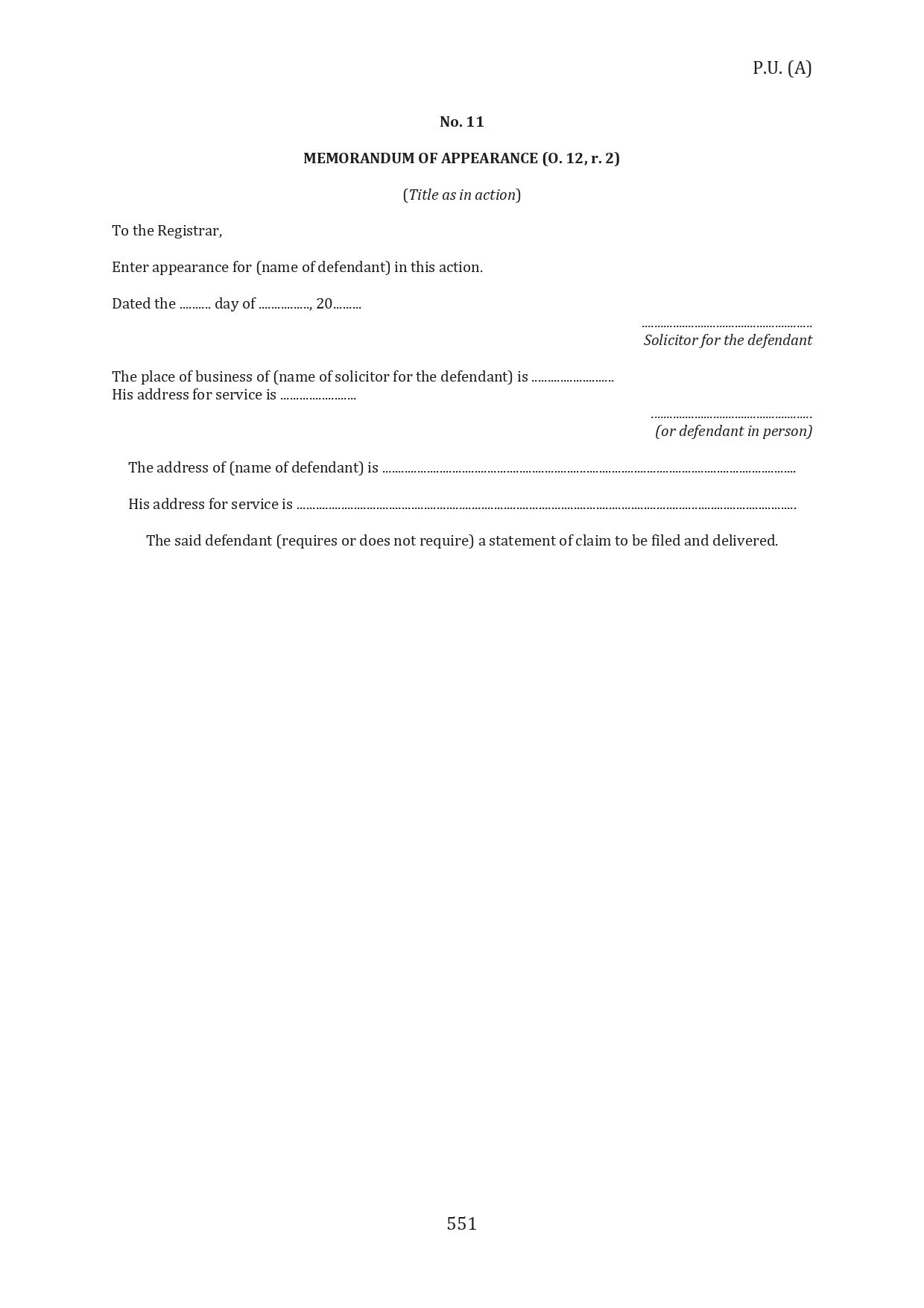
The First Step: Receiving Court Documents
Most civil disputes begin with the service of court documents, such as a Writ of Summons (Saman) together with a Statement of Claim (SOC), or in some cases, an Originating Summons.

These documents set out the claimant's allegations and the remedies sought.
Upon receiving these documents, it is important not to ignore them. Court proceedings are governed by prescribed timelines, and failure to take the necessary procedural steps may result in judgment being entered against the defendant without a full hearing.
Preparing a Strong Defence
Every civil dispute is different. A successful defence depends on the specific facts, contractual documents, correspondence, and evidence available.
A defence may involve:
- denying the claimant's allegations;
- disputing the legal basis of the claim;
- admitting certain facts while denying liability;
- relying on contractual provisions;
- raising limitation or jurisdictional issues;
- challenging the amount of damages claimed; or
- asserting that the claimant has failed to prove the essential elements of the case.

The objective is not merely to disagree with the claimant, but to present a coherent legal and factual case supported by credible evidence.
The Litigation Process
Many people imagine that litigation consists solely of appearing before a judge. In reality, a significant amount of work takes place before the trial begins.

After the defence has been filed, the parties will typically attend case management sessions where the court monitors the progress of the matter and gives directions regarding the conduct of the proceedings.
The parties may also be required to exchange documents, prepare witness statements, file interlocutory applications, or resolve procedural issues before the matter proceeds to trial.
Settlement Is Always an Option
Not every civil claim proceeds to a full trial.
At various stages of the litigation, parties may engage in negotiations or explore settlement opportunities if doing so serves their commercial interests. A negotiated resolution can often save considerable time, legal costs, and uncertainty.
However, any settlement should be carefully evaluated to ensure that it adequately protects the client's legal rights. Where settlement is not possible, experienced legal representation remains essential to present the strongest case before the court.
How Messrs LWC & Associates Can Help
Our firm understands that every civil dispute involves more than legal principles. It often concerns your business, property, finances, or reputation.
Our litigation team provides practical, strategic, and commercially focused advice to individuals and businesses facing civil claims throughout Malaysia. From the moment court proceedings commence until the final resolution of the dispute, we work closely with our clients to protect their rights, comply with procedural requirements, and present their case effectively before the court.

If you have been served with a civil claim or anticipate legal proceedings, obtaining timely legal advice is one of the most important steps you can take. Contact us to discuss your matter and learn how we can assist you in defending your legal rights with confidence.