Litigation - Landlord & Tenant Dispute

Whether you are a landlord renting out your property or a tenant leasing a home, office, retail lot, or commercial premises, the Tenancy Agreement is one of the most important legal documents you will ever sign.
Many landlord and tenant disputes arise because one party assumes that they may terminate the tenancy, withhold rental, retain the security deposit, or repossess the premises whenever they choose.
In reality, the rights and obligations of both parties are primarily determined by the terms of the Tenancy Agreement together with the applicable principles of Malaysian contract law. At Messrs Lee, William Chee & Associates, we regularly advise and represent both landlords and tenants in tenancy disputes, helping our clients understand their legal rights and pursue practical solutions through negotiation or court proceedings where necessary.
Why Is the Tenancy Agreement So Important?
Unlike some jurisdictions that have comprehensive legislation governing residential and commercial tenancies, Malaysia does not currently have a single, comprehensive statute that regulates every aspect of the relationship between landlords and tenants.
In Malaysia, as at the time of writing (Sept 2024), there is no single piece of legislation (Akta) that provides the basic rules and regulations to cover legal rights of landlords and tenants. As such, the agreed contract terms between these two (2) parties are vital part to determine the framework of the related laws.
As a result, the Tenancy Agreement becomes the primary document that governs the legal relationship between the parties. A properly drafted tenancy agreement usually deals with matters such as:
- the duration of the tenancy;
- rental payments;
- security and utility deposits;
- maintenance and repair obligations;
- renewal options;
- permitted use of the premises;
- termination rights;
- events of default; and
- remedies available when either party breaches the agreement.

When a dispute arises, the court will often begin by examining the contractual terms agreed upon by both parties
Common Landlord and Tenant Disputes
Tenancy disputes can arise for many different reasons. Some of the more common disputes include:
- wrongful termination of the tenancy;
- non-payment of rental;
- unlawful eviction;
- disputes concerning security deposits;
- damage to the property;
- breach of tenancy terms;
- failure to carry out repairs;
- early termination of the tenancy; and
- disagreements regarding vacant possession.
While some disputes can be resolved through negotiation, others require legal proceedings to determine the parties' contractual rights
Can a Landlord Terminate the Tenancy at Any Time?
One of the most common misconceptions is that a landlord may terminate a tenancy simply because they no longer wish to continue the arrangement. Similarly, some tenants believe they may leave the premises before the expiry of the tenancy without any legal consequences.
In most situations, neither assumption is correct. Whether a tenancy may be terminated early depends largely on the terms of the Tenancy Agreement. The agreement may provide for specific termination rights, notice requirements, events of default, or compensation payable upon early termination.
Ignoring these contractual obligations may expose either party to a claim for damages
Every dispute depends on its own facts. In one matter handled by our firm before the Kuala Lumpur Civil Court, we acted for a tenant whose tenancy was terminated before the agreed contractual period had expired.
After considering the evidence and the terms of the Tenancy Agreement, the Court held that the contractual rights of the parties should be respected and upheld. Our client successfully recovered a substantial portion of the damages claimed for the landlord's wrongful termination of the tenancy.
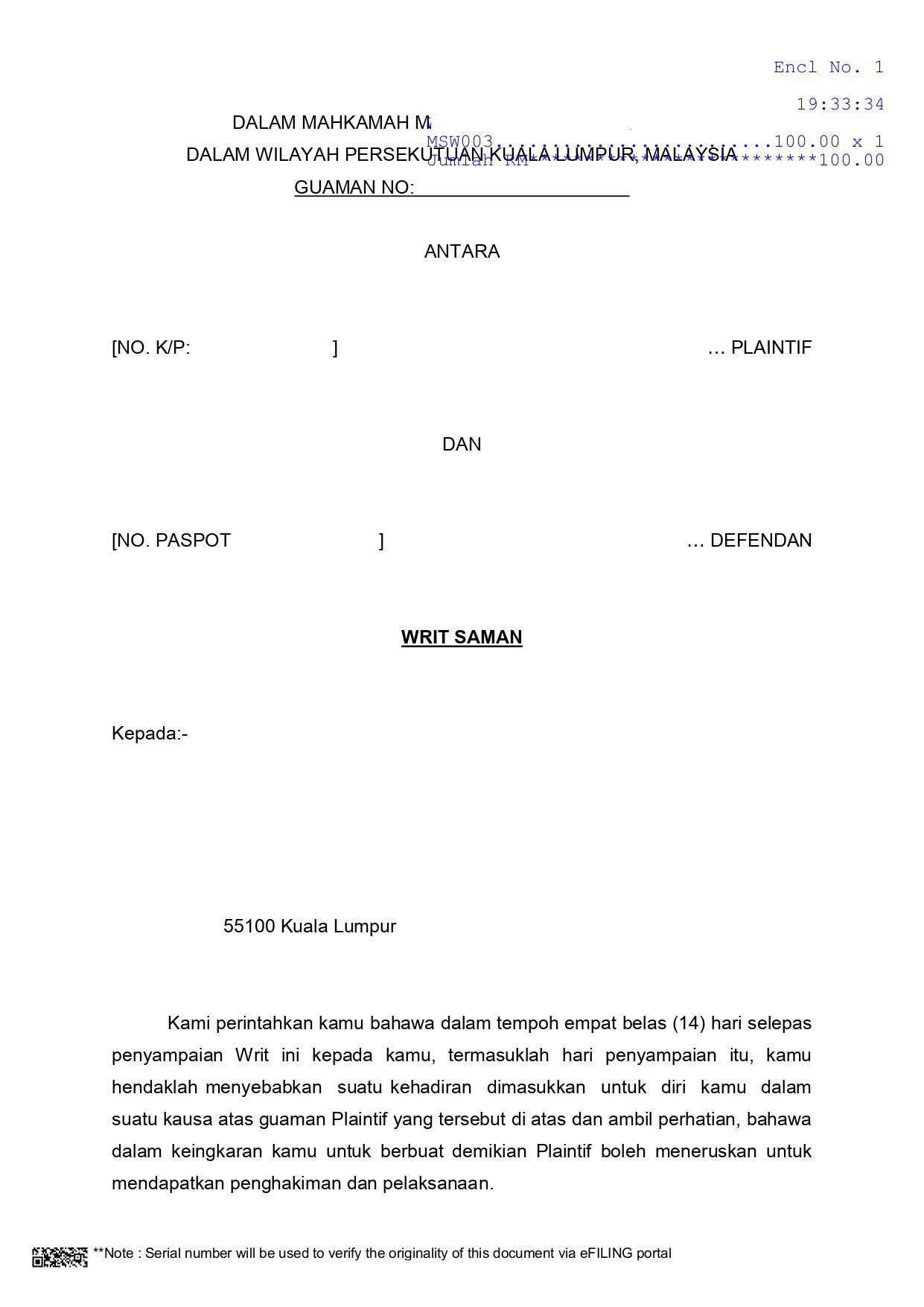
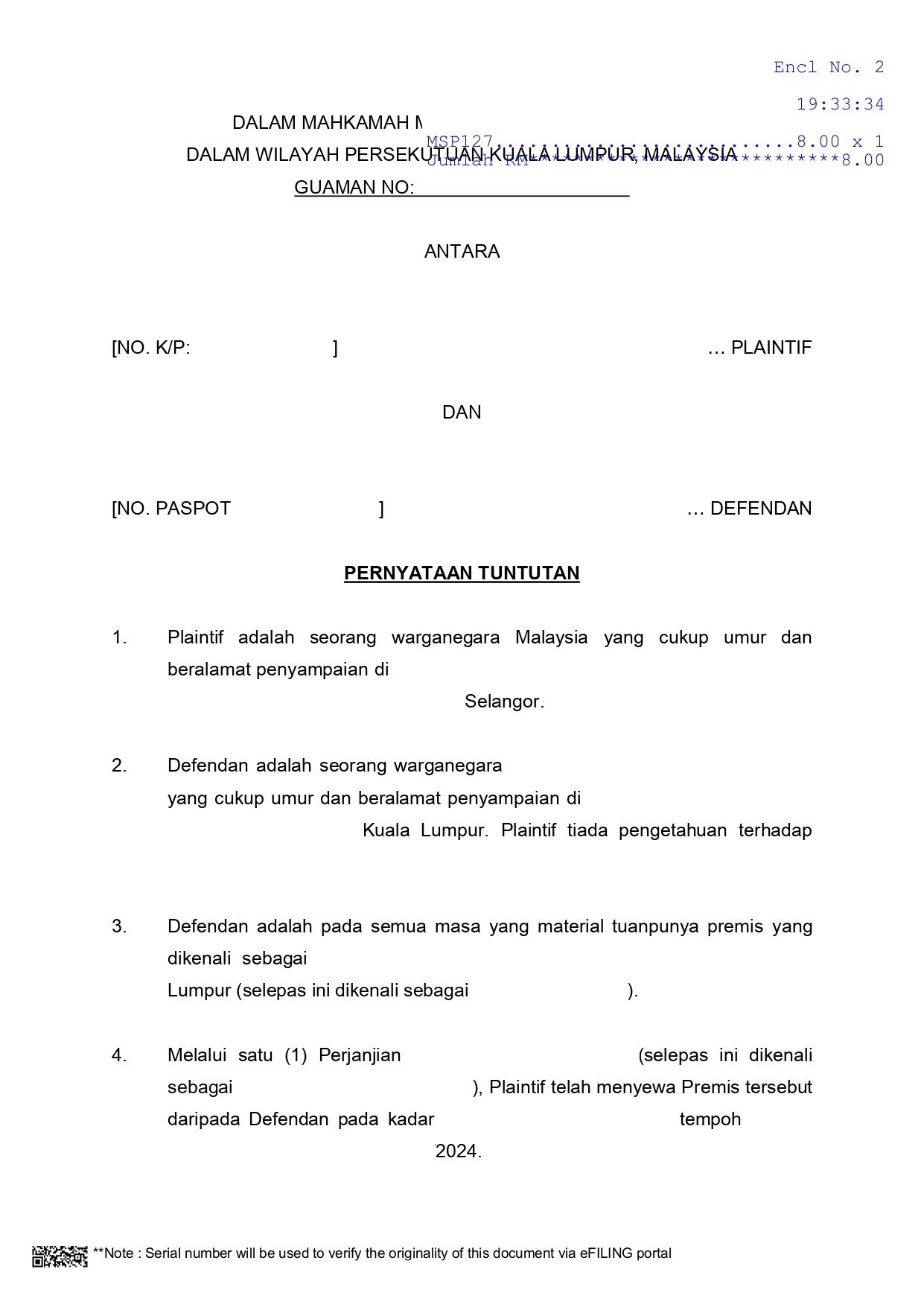
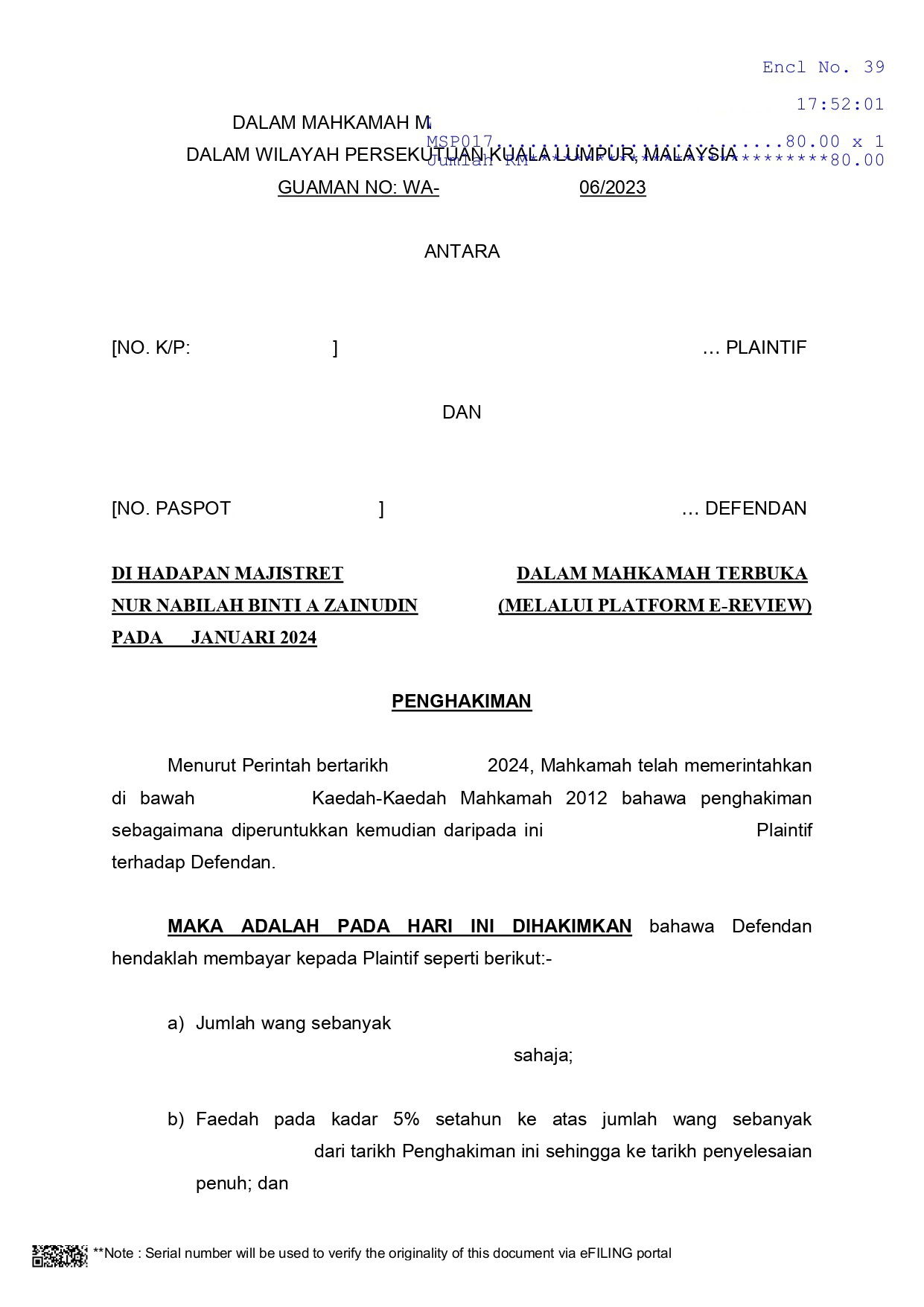
This case illustrates an important legal principle: parties cannot simply disregard a binding contract because circumstances have changed or because it is commercially convenient to do so. A Tenancy Agreement creates legally enforceable obligations, and the courts will generally give effect to those obligations unless there is a valid legal basis for doing otherwise.
What Evidence Is Important in a Tenancy Dispute?
When a landlord and tenant dispute reaches court, documentary evidence often plays a crucial role. Important documents may include:
- the signed Tenancy Agreement;
- rental payment records;
- correspondence between the parties;
- WhatsApp messages and emails;
- notices of breach or termination;
- photographs of the premises; and
- repair invoices.
Preserving these documents from the outset can significantly strengthen your legal position should litigation become necessary.
Despite that, not every tenancy dispute requires a trial. Many disputes can be resolved through negotiation, legal correspondence, or mutually agreed settlement terms before legal proceedings become necessary.

Nevertheless, where a party refuses to comply with the Tenancy Agreement or negotiations are unsuccessful, court proceedings may be required to enforce contractual rights or recover financial losses. Obtaining legal advice early allows you to understand your options before the dispute escalates.
How Messrs LWC & Associates Can Assist
Whether you are a landlord or a tenant, delaying legal advice can often make the situation more difficult. A landlord who acts without understanding the Tenancy Agreement may expose themselves to claims for wrongful termination or unlawful eviction. Likewise, a tenant who fails to comply with contractual obligations may face claims for unpaid rental, damages, or other losses.
Seeking legal advice at an early stage allows your lawyer to review the Tenancy Agreement, assess the strength of your legal position, preserve relevant evidence, and recommend the most appropriate strategy for resolving the dispute.
Whether your matter involves wrongful termination, rental arrears, security deposit disputes, breaches of a Tenancy Agreement, eviction issues, or other landlord and tenant disputes, our litigation team is committed to providing practical, commercially sensible, and strategic legal advice tailored to your circumstances.
If you are involved in a landlord and tenant dispute or require advice before taking action, contact Messrs Lee, William Chee & Associates today. Understanding your rights under the Tenancy Agreement at an early stage can often make a significant difference to the outcome of your case.