Real Estate - Stamp Duty Exemption

One of the most common questions we receive from clients is: "Can I transfer my property to my spouse, parents, or children without paying stamp duty?"
The answer is yes, certain stamp duty exemptions are available under Malaysian law for qualifying transfers between immediate family members, subject to the applicable legislation, exemption orders, and eligibility requirements in force at the time of the transfer. These exemptions can result in substantial savings, particularly where high-value properties are involved.
However, not every transfer qualifies automatically, and the legal documentation must still be prepared and completed correctly. At Messrs Lee, William Chee & Associates, we regularly advise clients on family property transfers and assist in preparing the necessary legal documents to ensure that the transaction is carried out efficiently and in accordance with the law.
What Is Stamp Duty?
Stamp duty is a tax payable on certain legal documents, including the Memorandum of Transfer (MOT) used to transfer ownership of immovable property. For an ordinary sale and purchase transaction, stamp duty is generally calculated based on the property's market value or consideration, whichever is higher, in accordance with the prevailing rates prescribed by law.
As the amount payable increases as the value of the property increases, stamp duty can represent a significant cost in a property transaction. For this reason, many property owners wish to know whether exemptions are available when transferring property to close family members.
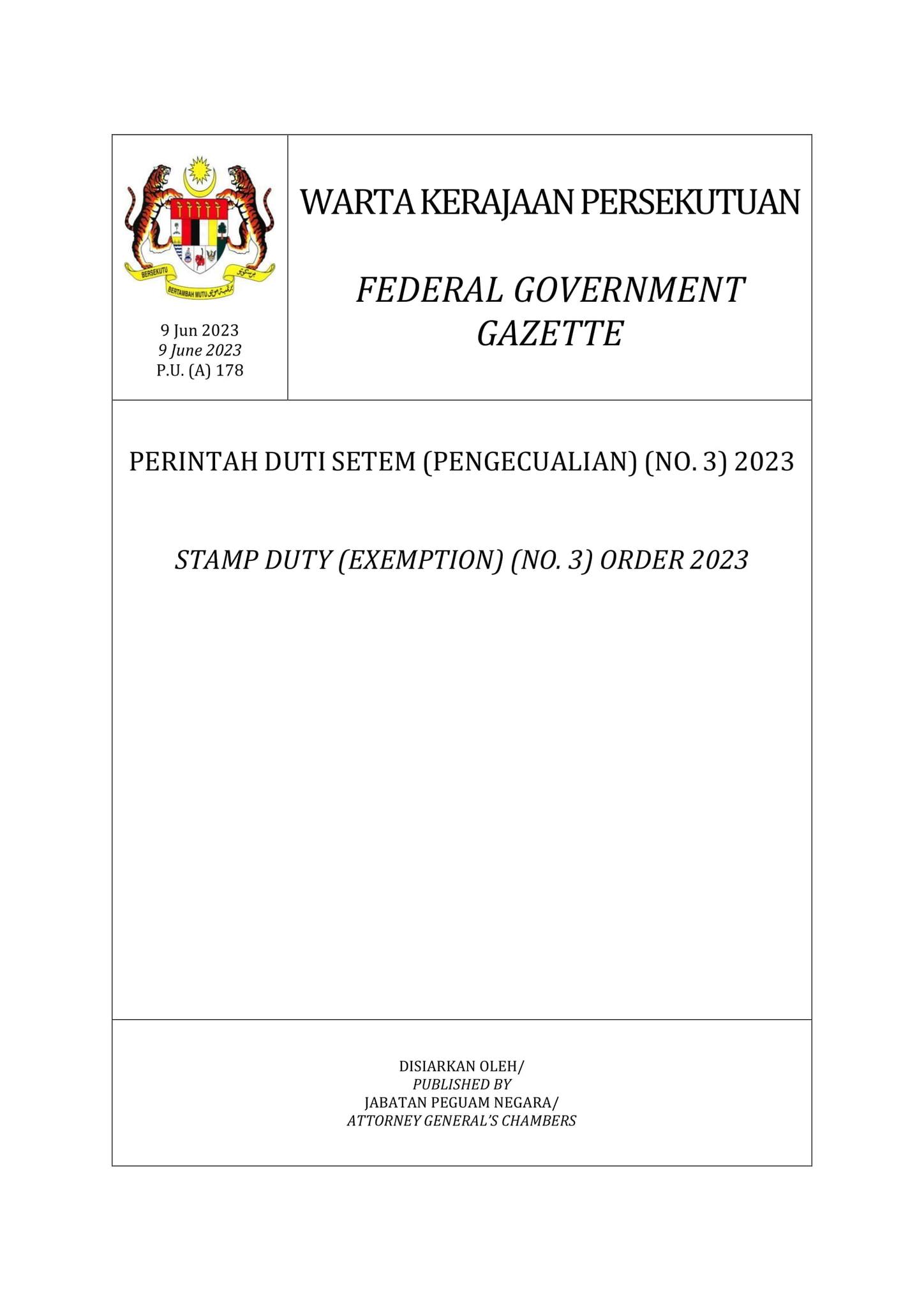
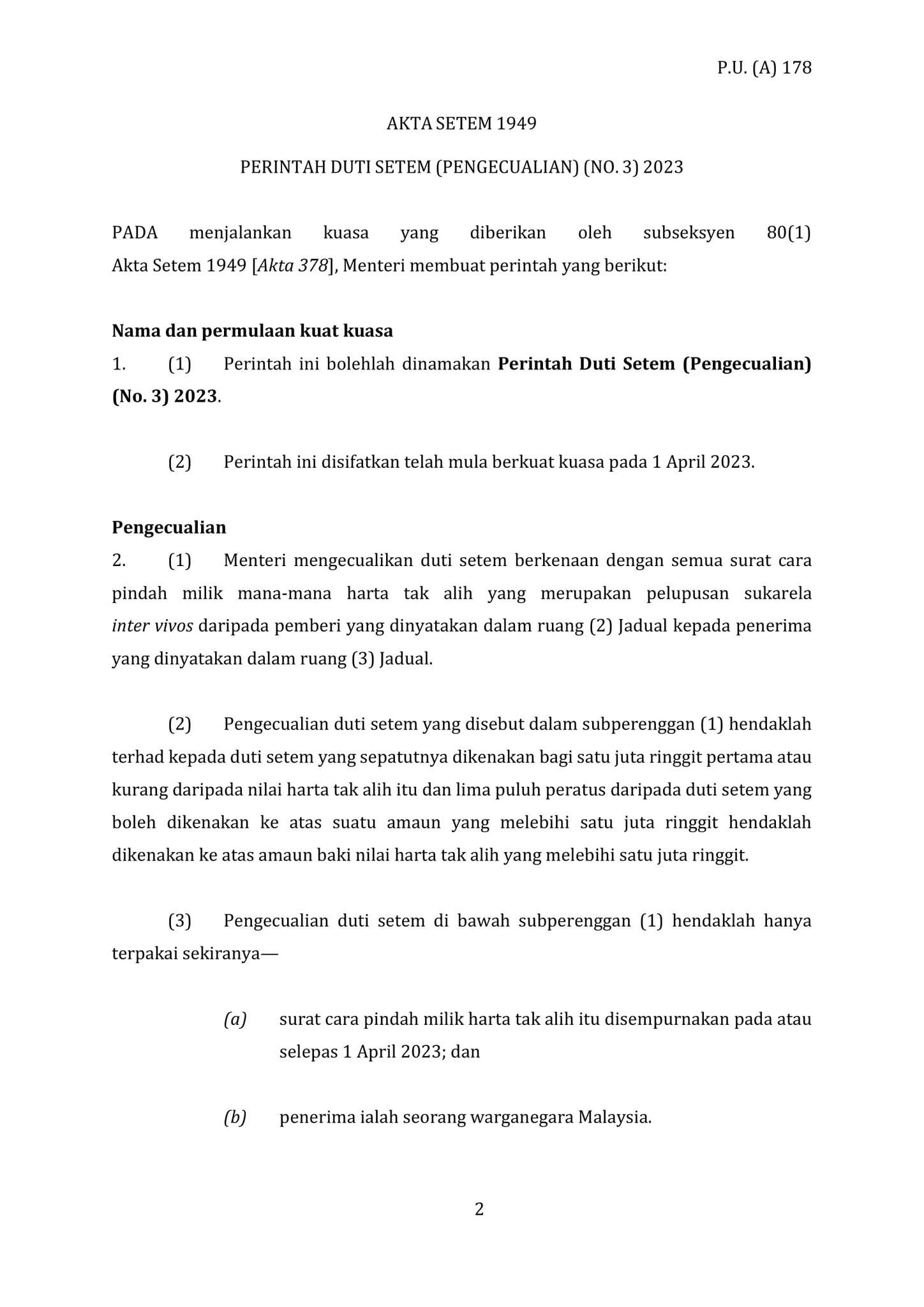
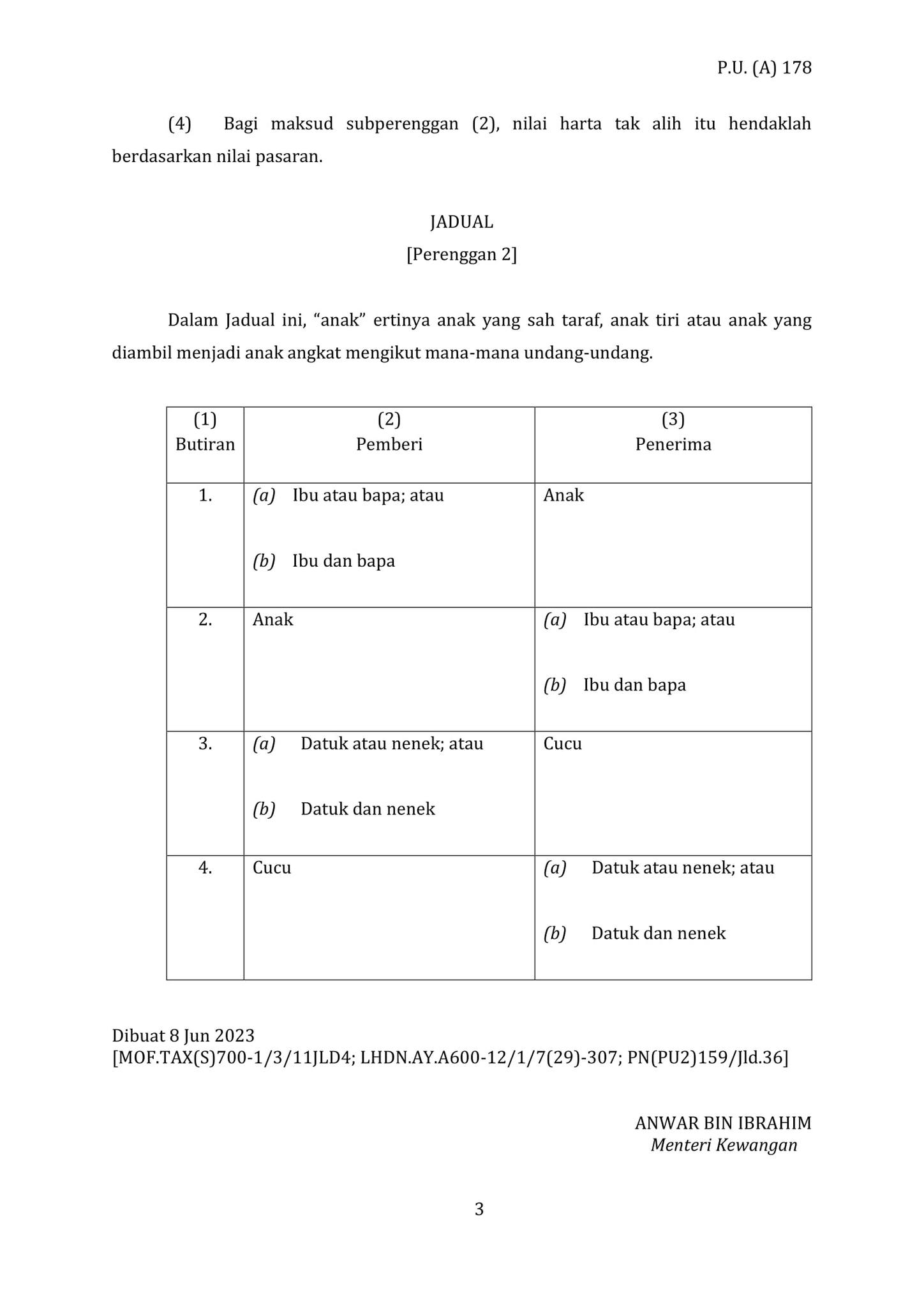
Stamp Duty Exemption for Transfers Between Parents, Children, and Grandchildren
Under the current exemption framework (as of 1 July 2026), qualifying transfers between certain immediate family members may enjoy a 100% stamp duty exemption on the first RM1 million of the property's market value, subject to the applicable legal requirements and government policies. This generally includes qualifying transfers between:
- Parents -> children;
- Children -> parents;
- Grandparents -> grandchildren; and
- Grandchildren -> grandparents.
Where the property's value exceeds the applicable exemption threshold, stamp duty may remain payable on the balance, depending on the prevailing exemption order and the circumstances of the transfer. As exemption policies may change from time to time, it is advisable to obtain legal advice before proceeding with the transfer.
Stamp Duty Exemption for Transfers Between Husband and Wife
Transfers of property between legally married spouses also enjoy favourable stamp duty treatment under the applicable laws.
Subject to the relevant legal requirements, transfers between:
- Husband -> wife; and
- Wife -> husband,
may qualify for a full stamp duty exemption without the RM1 million cap that applies to certain parent-child transfers. This exemption is one of the most significant stamp duty reliefs available under Malaysian law and can substantially reduce the cost of transferring property ownership between spouses.
Does "Stamp Duty Exempt" Mean There Are No Other Costs?
Not necessarily. Even where stamp duty is exempted, other expenses may still arise depending on the circumstances of the transaction. These may include:
- legal fees for preparing the transfer documents;
- disbursements;
- registration fees;
- land office fees;
- valuation fees (where applicable); and
- other administrative charges.
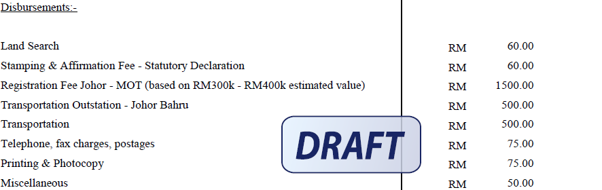
Every transaction is different, and the total costs depend on factors such as the type of property, the title, financing arrangements, and the applicable legal requirements.
Why Proper Legal Documentation Is Still Important
Many people assume that because the property is being transferred within the family, the process is simple. In reality, a property transfer still involves important legal procedures. Depending on the circumstances, your lawyer may need to:
- review the property title;
- prepare the Memorandum of Transfer (MOT);
- advise whether Land Office consent is required;
- coordinate with banks if the property is charged;
- prepare supporting statutory declarations and related documents;
- attend to stamping and registration; and
- complete the transfer with the relevant authorities.
Careful preparation helps avoid unnecessary delays and ensures that the transfer is completed correctly.
Should You Transfer Property During Your Lifetime?
Some families choose to transfer property to their children or spouse during their lifetime as part of their succession planning. Others prefer to retain ownership and allow the property to pass through their estate upon death.
The most suitable approach depends on various factors, including your family circumstances, estate planning objectives, financing arrangements, tax considerations, and long-term intentions.
Before making any decision, it is advisable to obtain legal advice so that you understand the legal implications of the transfer and whether it aligns with your overall estate planning goals.

How Messrs LWC & Associates Can Assist?
Appointming our firm, we regularly assist clients with family property transfers, including transfers between spouses, parents and children, and grandparents and grandchildren.
Our team will review your circumstances, explain the applicable legal requirements, advise whether the proposed transfer may qualify for stamp duty exemption under the prevailing laws, prepare the necessary conveyancing documents, and guide you through the registration process from start to finish.
If you are considering transferring a property to a family member or would like to understand the stamp duty implications of your proposed transaction, contact us today. We will help you navigate the legal process clearly, efficiently, and with confidence.